Products
Crafted for Quality and Sustainability



Products
Crafted for Quality and Sustainability
Capabilities
From Farm To Fashion
Why Brands Choose BTC
Driven by Value, Powered by Excellence

Vertical Integration
End-To-End Textile Manufacturing Solutions

Sustainability
Eco-Innovation At Every Stage
News & Blogs
Explore Latest Fashion & Textile Industry Insights
Events & Engagements
Experience Leading Fashion & Textile Events & Trade Shows

About Us
Knitting the Future with African Cotton
Contact Us
We’d Love to Hear From You




Copyright© 2026, Benin Textile Corporation
Blogs



Summary
African apparel distributors need manufacturing partners that offer quality, scalability, flexibility, traceability and reliable logistics. BTC’s vertically integrated operation in Benin combines African cotton sourcing, textile production, garment manufacturing and finishing, with capacity for 24 million apparel pieces annually. This enables distributors across West Africa to build a more reliable, transparent and competitive apparel supply chain.
Table of contents
For apparel distributors, the choice of manufacturing partner can have a significant impact on profitability, supply reliability and long-term growth. Beyond garment pricing, the right partner can help improve lead times, maintain product consistency and support expansion into new markets. The opportunity across West Africa makes this increasingly important. Nigeria’s textile and textile-related imports reached ₦1.06 trillion in 2025, up from ₦726 billion in 2024, highlighting the scale of demand in one of Africa’s largest consumer markets and the continuing reliance on imported textile products.
For distributors, the question is no longer simply where to source apparel. It is which capabilities can make that supply chain more reliable, scalable and commercially competitive.
A fragmented supply chain can mean multiple suppliers, handovers and points of coordination between raw materials and finished garments.
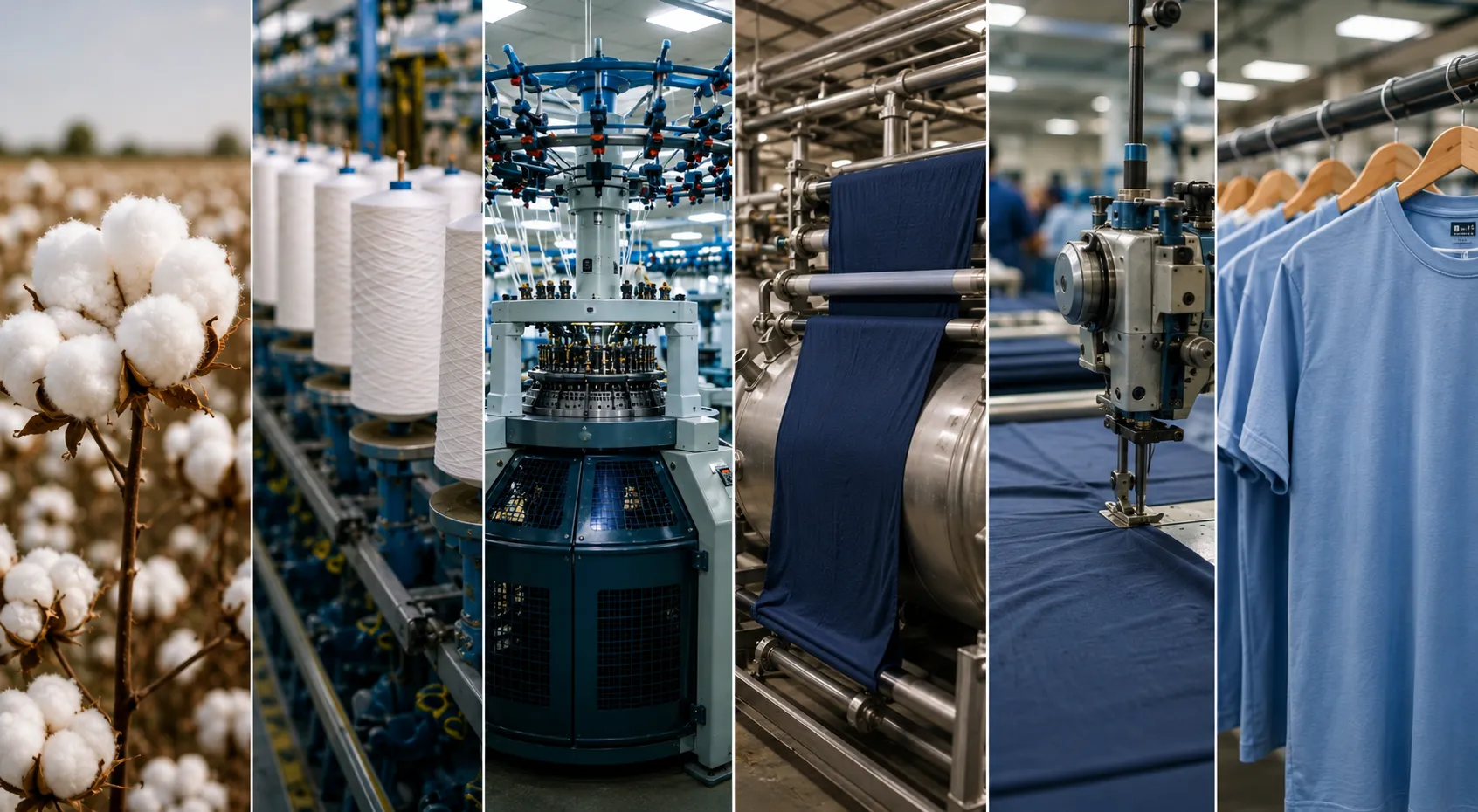
An integrated manufacturing model brings more of the process together – from cotton and yarn through fabric production, garment manufacturing, finishing and packaging.
For distributors, this can simplify sourcing while providing greater visibility across the production cycle. Changes to specifications, production schedules or volumes can be managed within a more connected operation, reducing the complexity of coordinating multiple independent suppliers.
A manufacturing partner needs to support where the business is going, not just where it is today.
Distributors may begin with a pilot order or limited product range and expand as demand develops. The ability to increase production while maintaining quality and delivery standards becomes critical at that point.
BTC has capacity for approximately 24 million apparel pieces and 9,000 tonnes of knit fabric annually, providing the production depth to support both high-volume requirements and repeat programmes.
The benefit is a manufacturing relationship that can grow alongside the business demand rather than become a constraint on it.
At scale, quality cannot depend on final inspection alone.
Variations in fabric, colour, sizing, stitching or finishing can result in rejected goods, returns and additional costs, while creating challenges for distributors managing consistent product lines across multiple customers.
A manufacturing partner should therefore have quality assurance embedded throughout production, supported by testing, inspection and clearly defined standards.
This becomes particularly important for repeat orders, where consistent quality across every production run is as important as getting the first batch right.
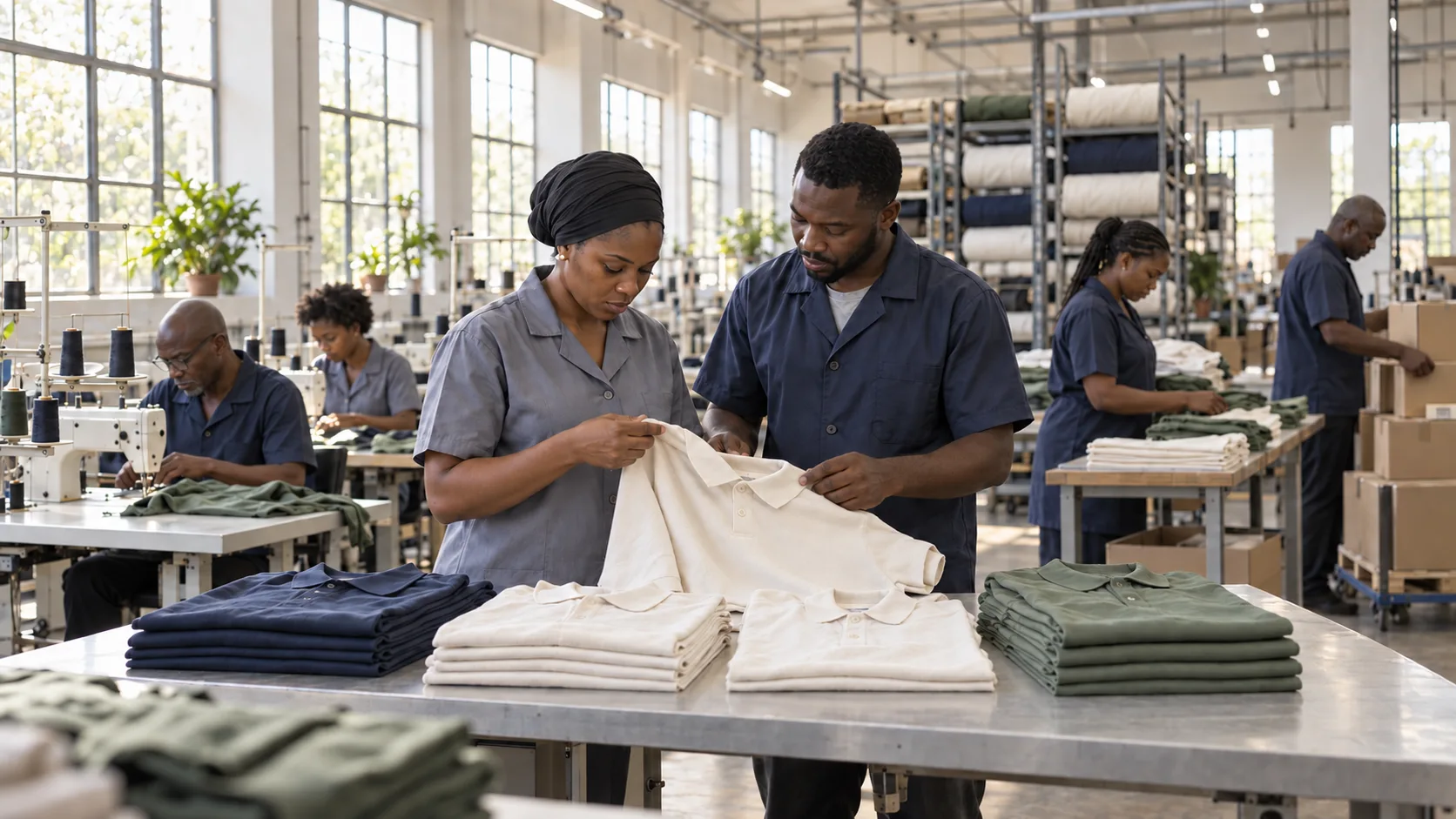
Distributors rarely serve just one type of customer. Their portfolios may span retailers, private-label brands, corporate buyers, hospitality businesses, schools and other institutional customers, each with different specifications and volumes.
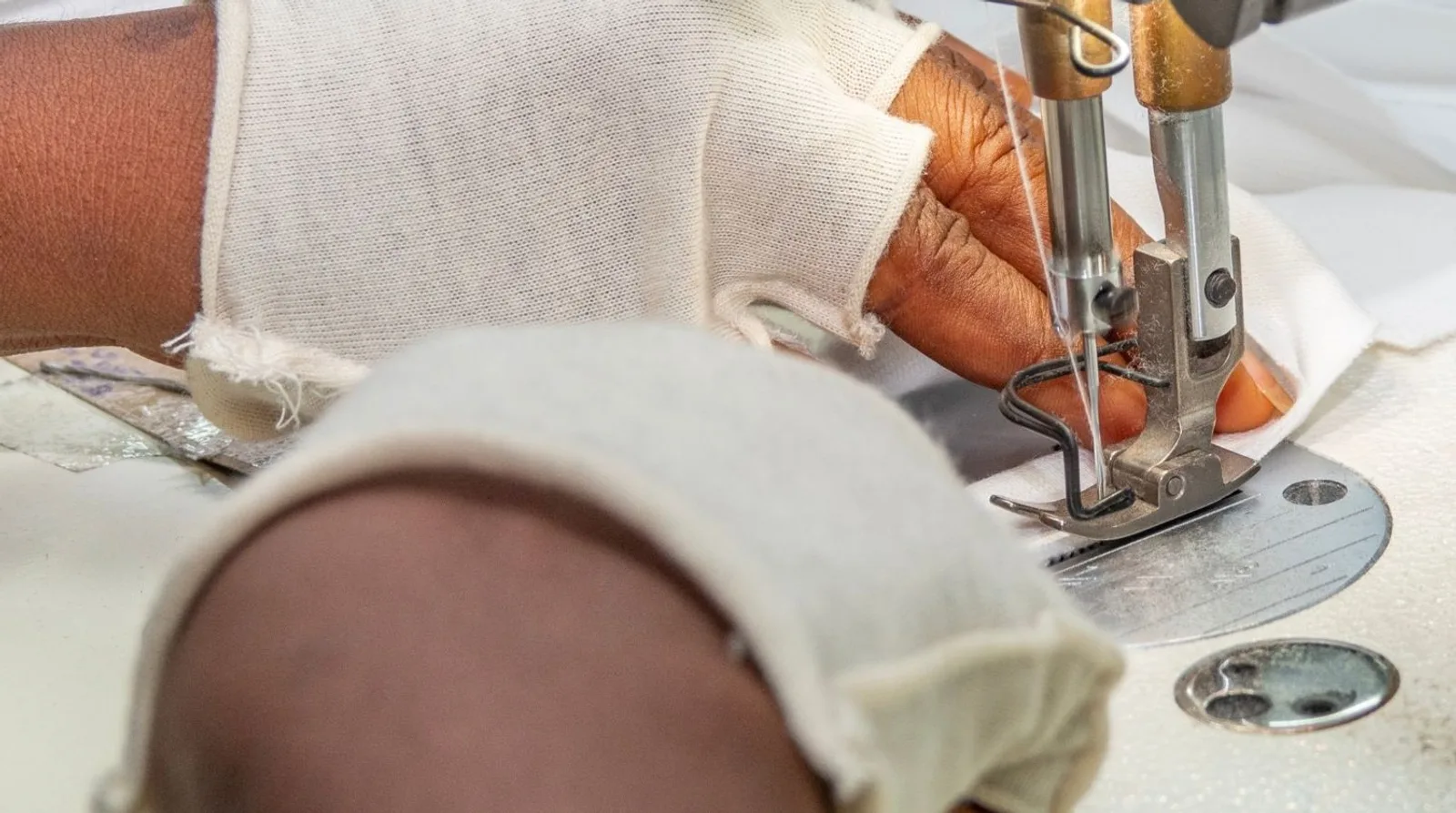
Capabilities across casualwear, activewear, athleisure, sleepwear and uniforms, combined with processes such as printing, embroidery, laundry and other finishing, can allow a manufacturer to support a wider range of requirements within one production ecosystem.
For distributors, this creates room to diversify their product mix without multiplying their supplier base.
Where raw materials come from – and how they are produced is becoming increasingly relevant to apparel procurement.
BTC sources rain-fed, non-GMO CmiA-certified local cotton, with subsequent stages of textile and apparel production managed within its vertically integrated operation. Blockchain-enabled traceability provides visibility across the manufacturing journey.
Its operations also incorporate Zero Liquid Discharge (ZDL) technology, clean-energy initiatives and Internationally recognised environmental and social compliance standards.
For distributors supplying retailers, corporate buyers or international customers, these capabilities can support responsible sourcing requirements while providing greater visibility into the supply chain.
For distributors serving Nigeria and the wider West African market, access to ports, airports and regional transport networks can influence delivery timelines, logistics costs and the ability to respond to demand.
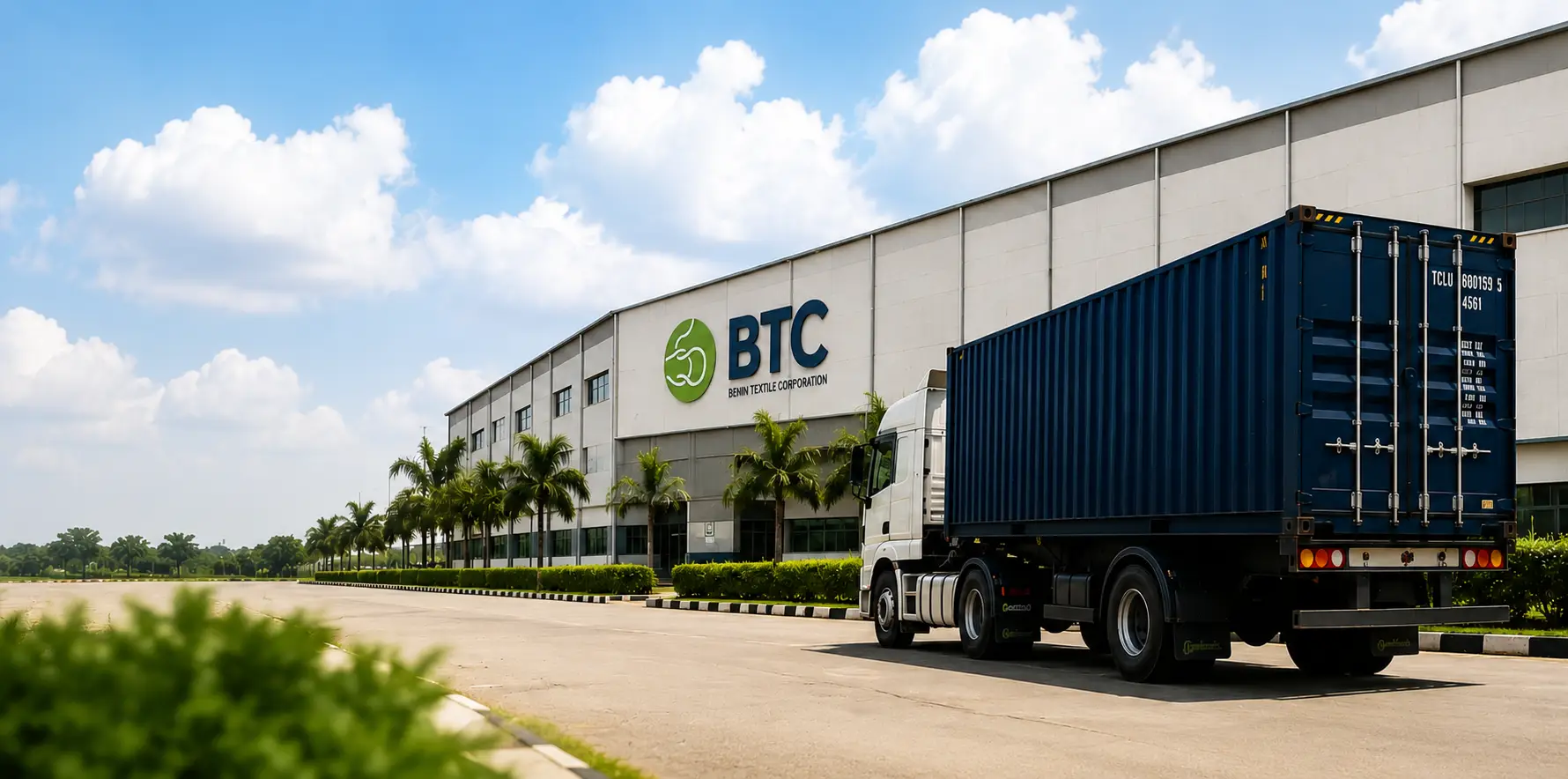
BTC’s facility in Benin is approximately 40 km from the seaport, with access to sea, air and land logistics.
A manufacturing operation within the region can therefore provide a more direct route to market, supporting predictable movement of goods, responsive replenishment and more efficient regional distribution.
The value of these capabilities is amplified when they exist within one connected manufacturing ecosystem.
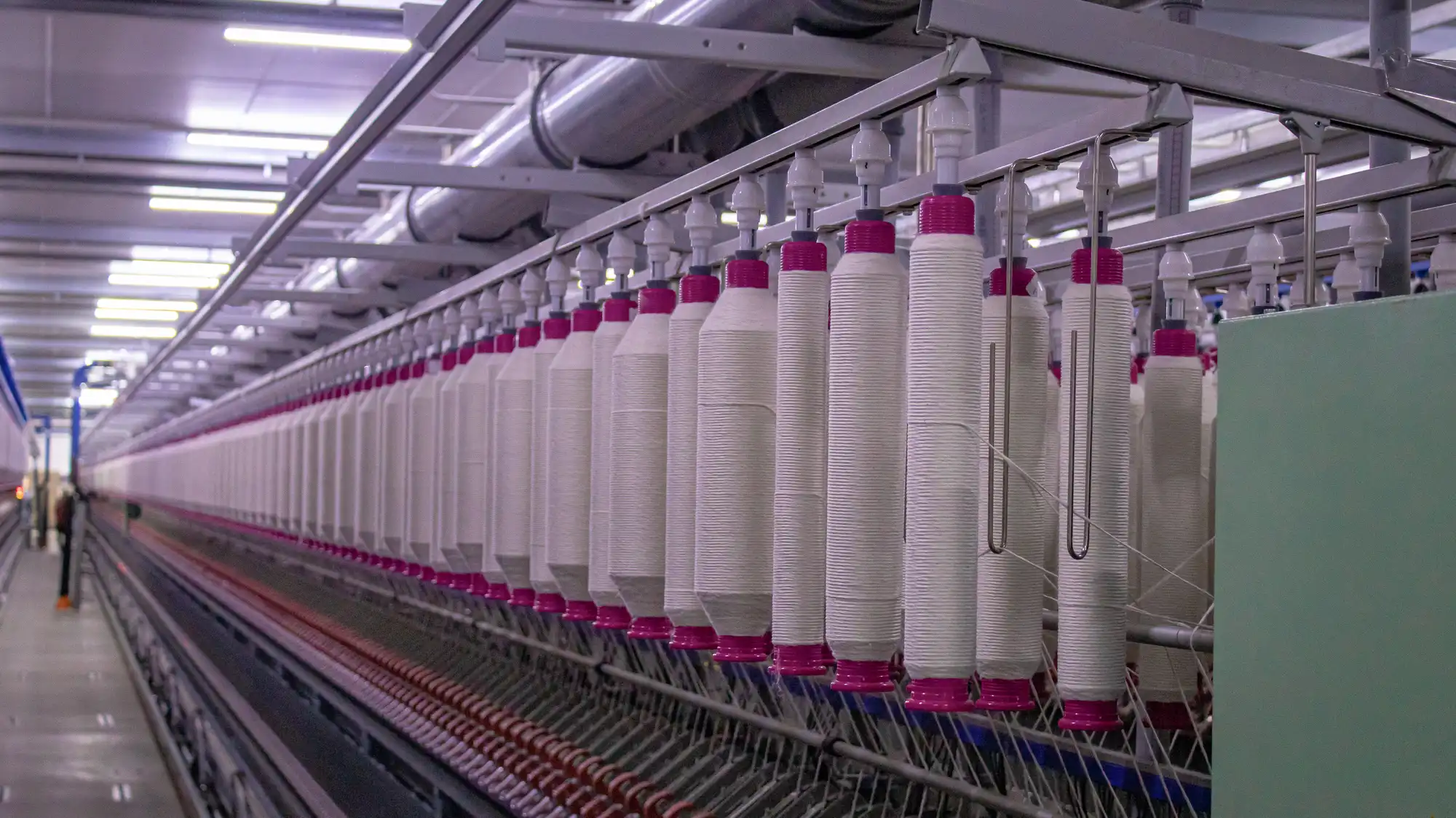
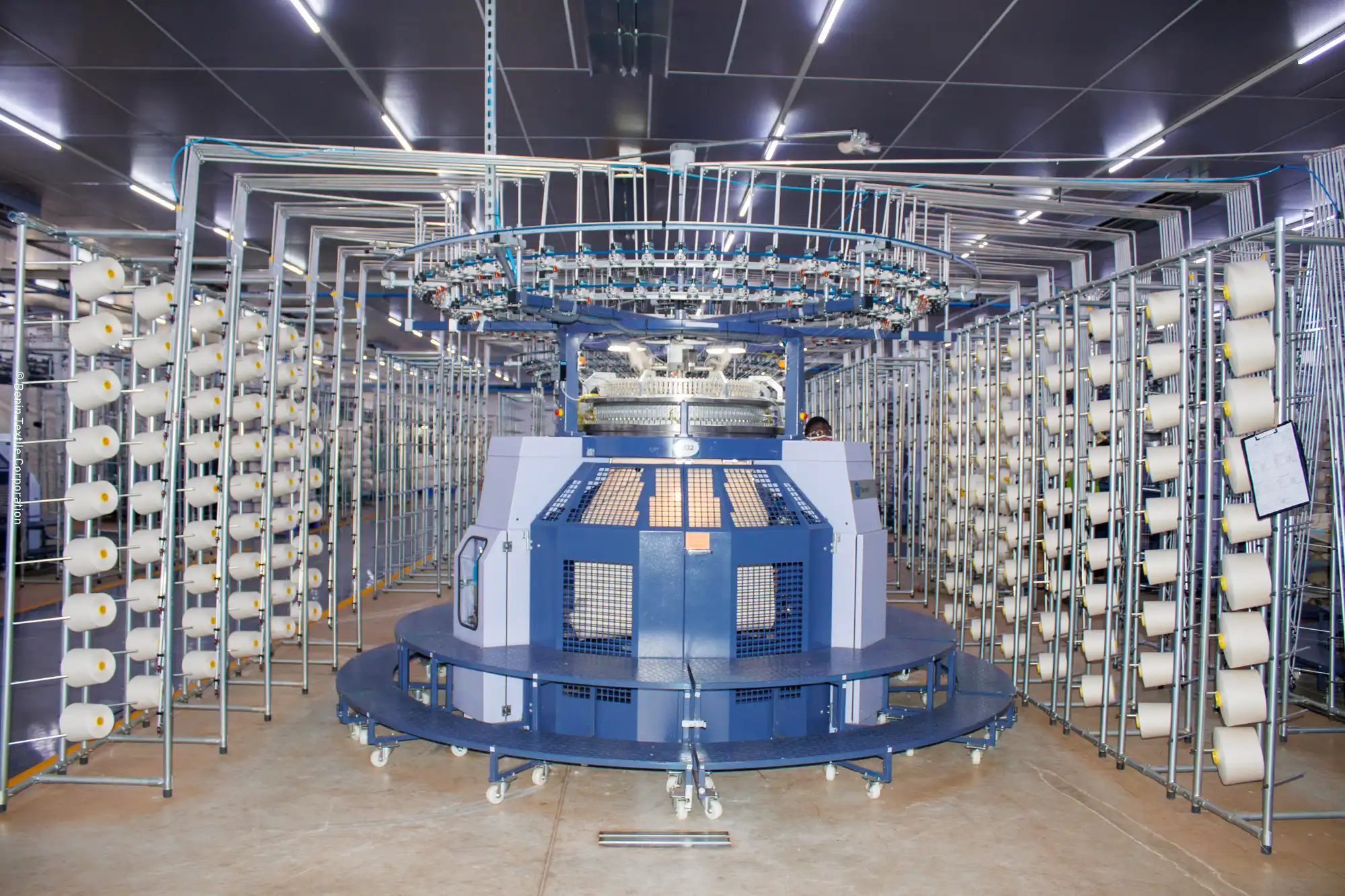
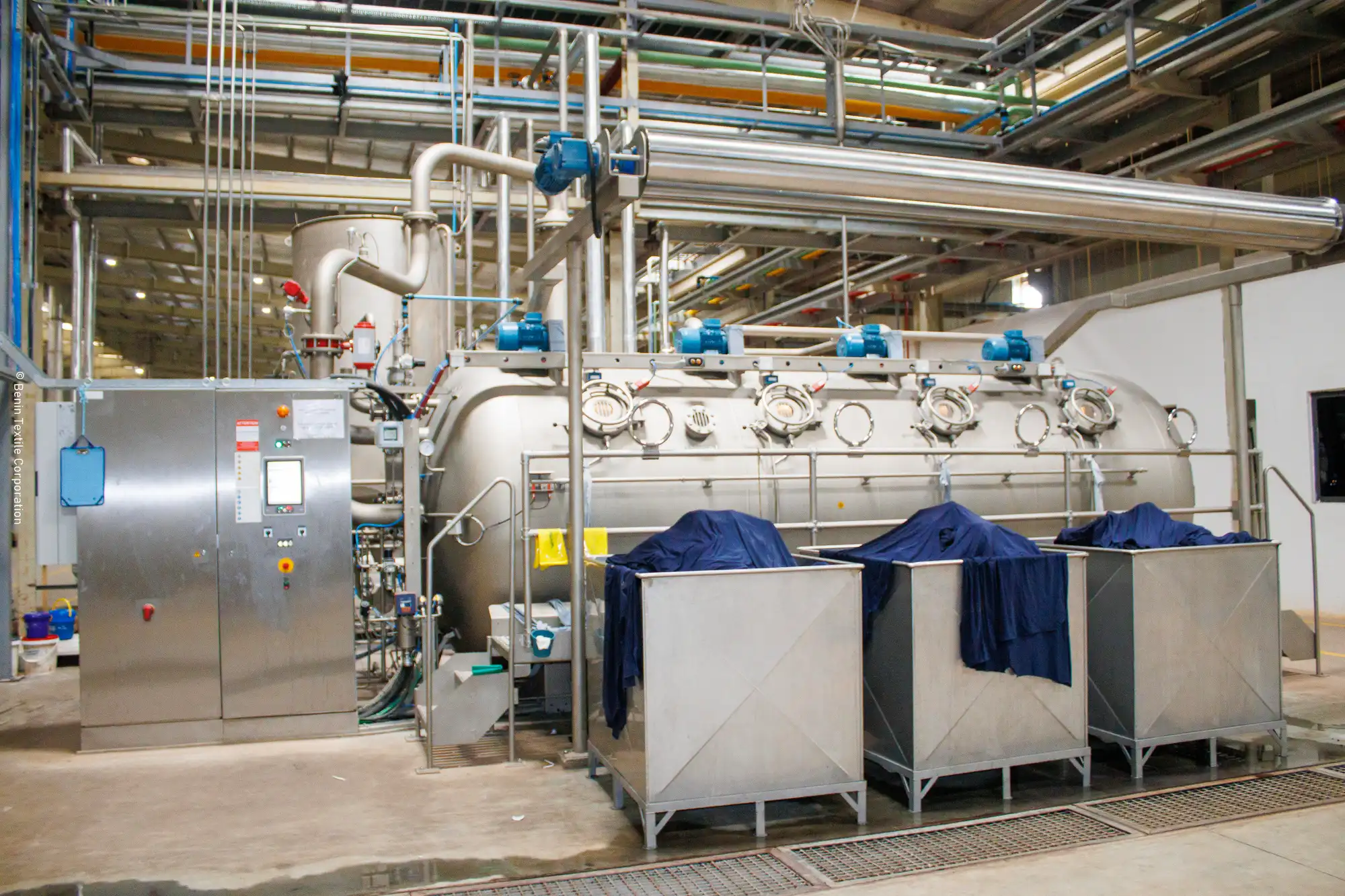
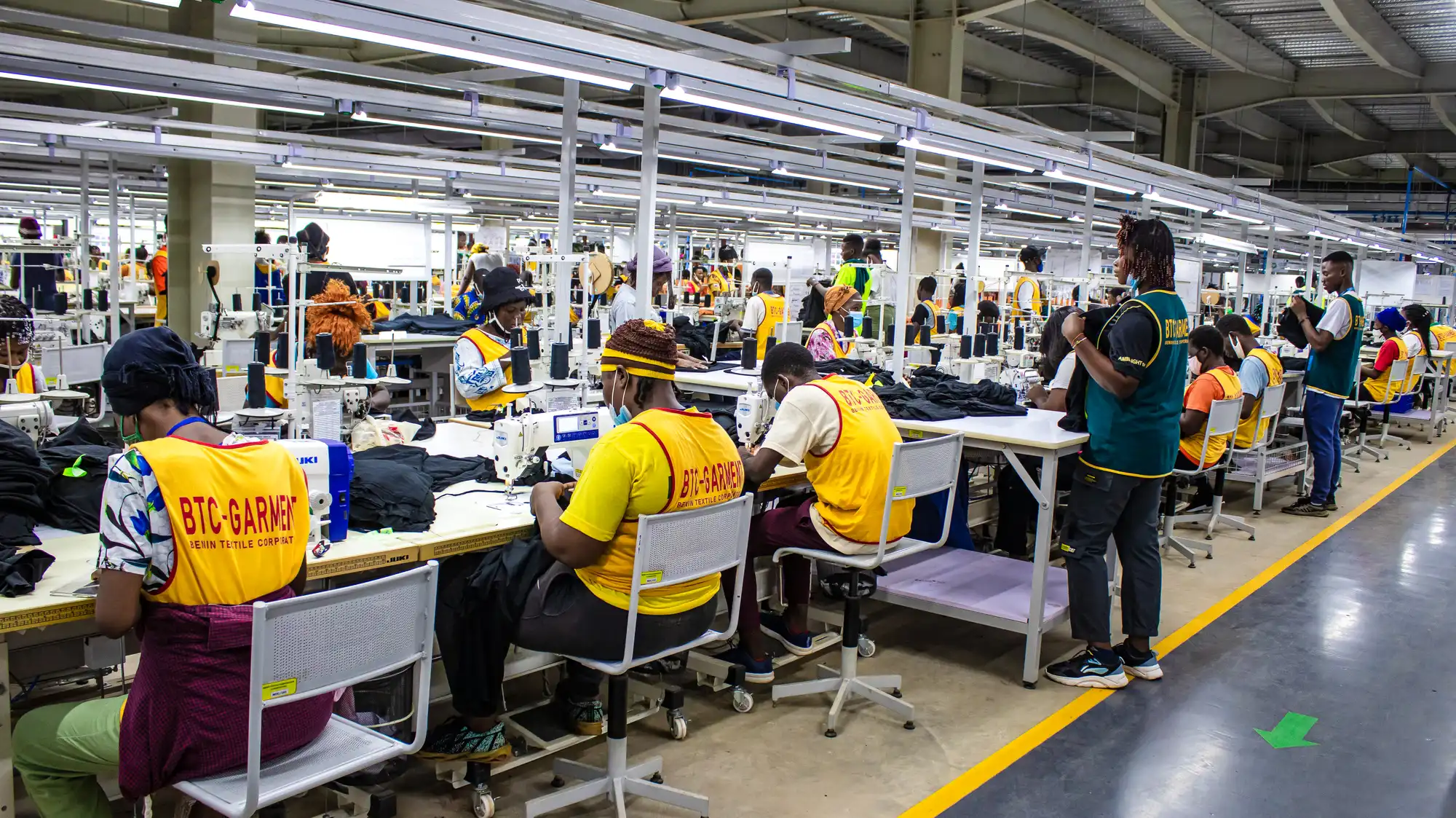
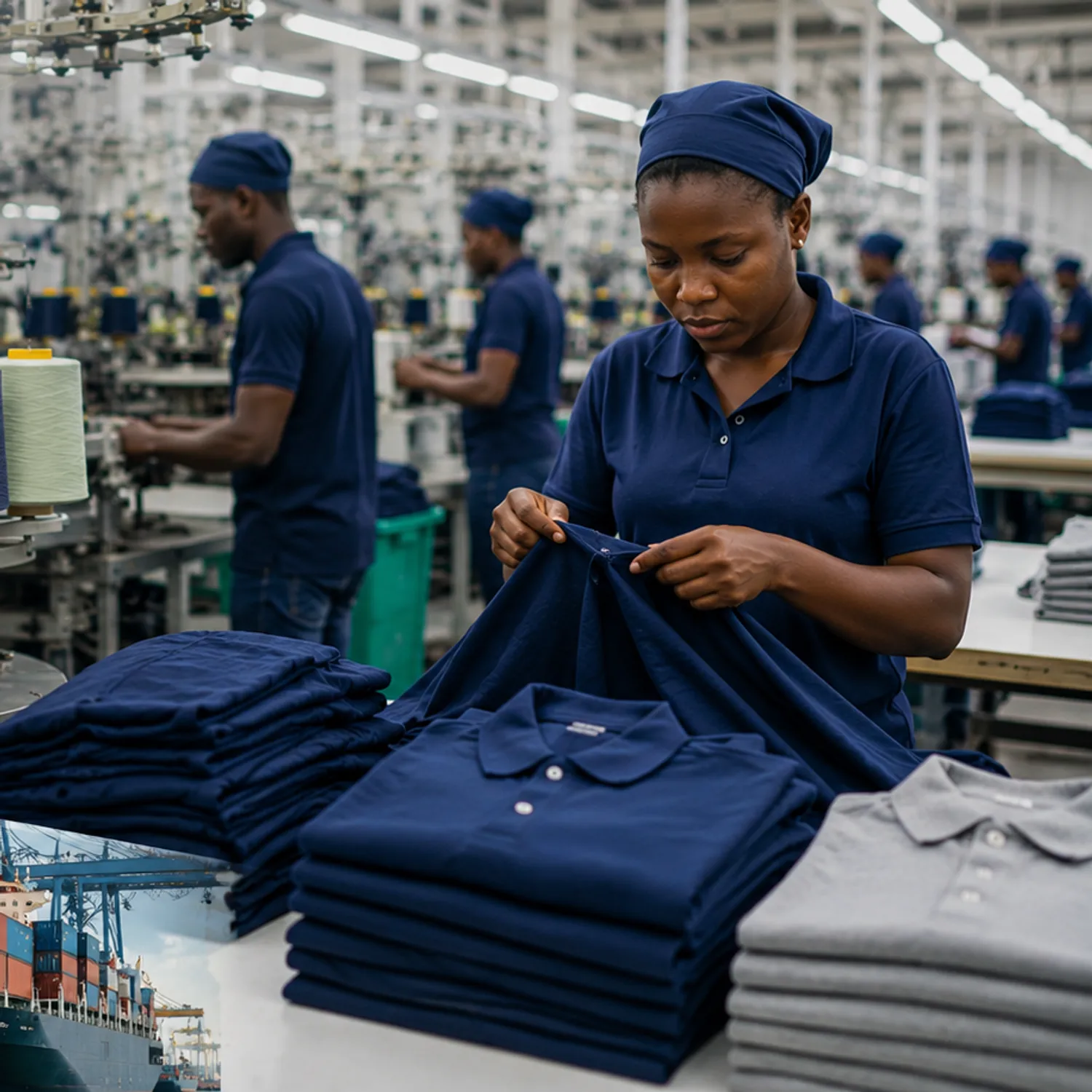
BTC brings together African cotton sourcing, spinning, knitting, dyeing, garment manufacturing, finishing, quality assurance and packaging within its vertically integrated operation in Benin.
With approximately 24 million pieces of annual apparel capacity and 9,000 tonnes of annual knit-fabric production, the operation is equipped to support growing B2B programmes.
BTC has also supplied internationally recognised brands including H&M, C&A, Kiabi, Gémo and U.S. Polo Assn., demonstrating its ability to operate against established global quality and production expectations.
For distributors, the proposition is about bringing multiple sourcing priorities together: African raw materials, integrated manufacturing, scalable capacity, traceability and regional market access.
For distributors in Nigeria, Ghana, Côte d’Ivoire and the wider West African market, selecting a manufacturing partner is ultimately a long-term supply-chain decision.
Price will always matter. But so will the ability to maintain quality, respond to changing volumes, provide greater supply-chain visibility and support evolving procurement requirements.
As African apparel markets continue to develop, distributors have an opportunity to build sourcing models that are more integrated, transparent and responsive to regional demand.
Looking for an apparel manufacturing partner in Africa?
Contact BTC to explore its manufacturing capabilities and solutions for your next programme.
Source: National Bureau of Statistics (NBS) – Q4 2025 Foreign Trade Report
Curated for You
Contact Us

 Fr
Fr