Products
Crafted for Quality and Sustainability



Products
Crafted for Quality and Sustainability
Capabilities
From Farm To Fashion
Why Brands Choose BTC
Driven by Value, Powered by Excellence

Vertical Integration
End-To-End Textile Manufacturing Solutions

Sustainability
Eco-Innovation At Every Stage
News & Blogs
Explore Latest Fashion & Textile Industry Insights
Events & Engagements
Experience Leading Fashion & Textile Events & Trade Shows
About Us
Knitting the Future with African Cotton
Contact Us
We’d Love to Hear From You



Copyright© 2026, Benin Textile Corporation
Blogs



Summary
Vertical integration allows BTC to manage every stage of knitwear production under one roof, ensuring faster turnaround times, consistent quality, greater supply chain transparency, and more sustainable manufacturing. This integrated approach makes BTC a reliable sourcing partner for global apparel brands.
Table of contents
A single knitted T-shirt can pass through multiple suppliers and countries before reaching the final customer. This often leads to delays, inconsistent quality, and higher production costs. Vertical integration changes that by bringing the entire manufacturing process under one roof.
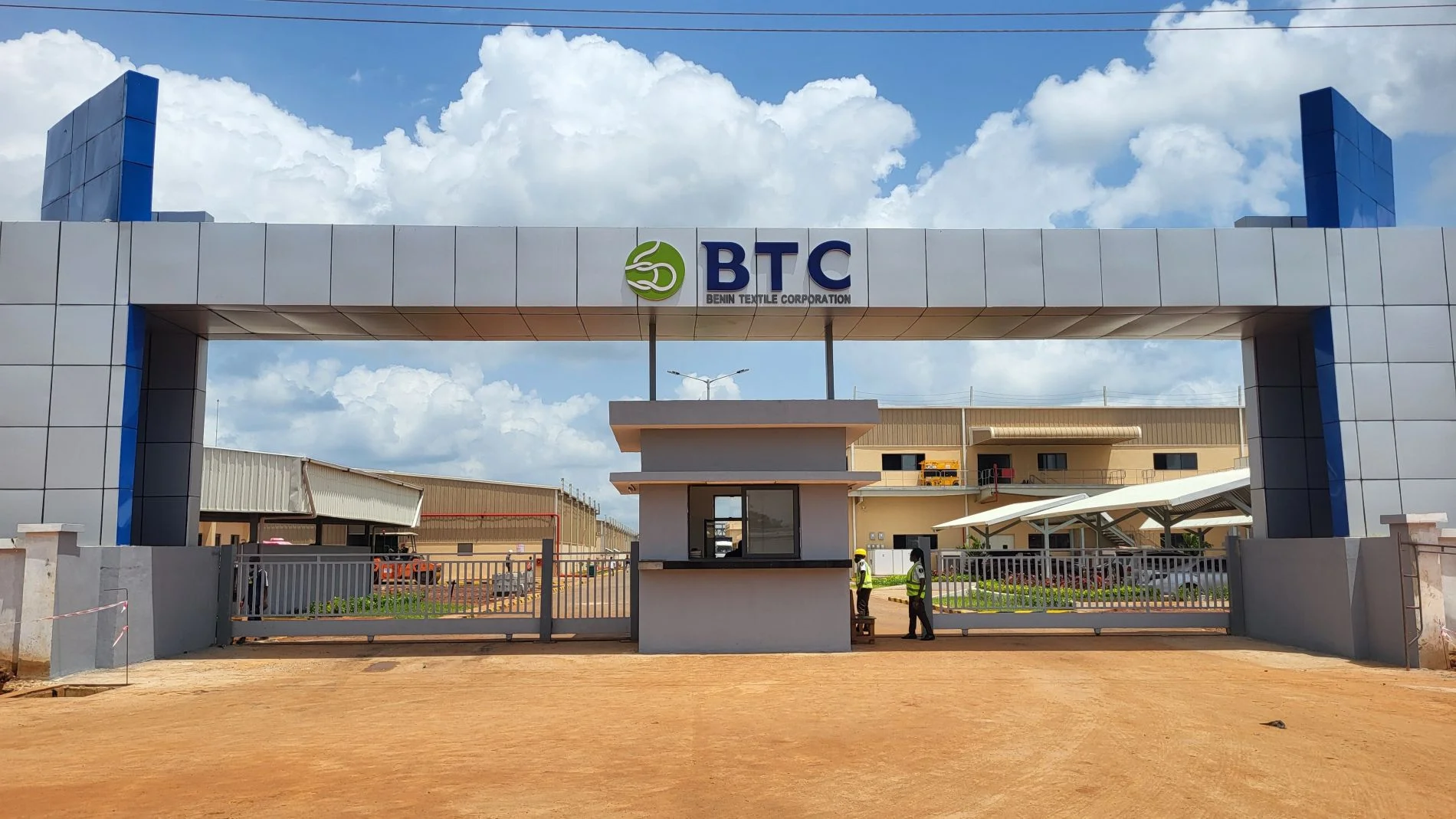
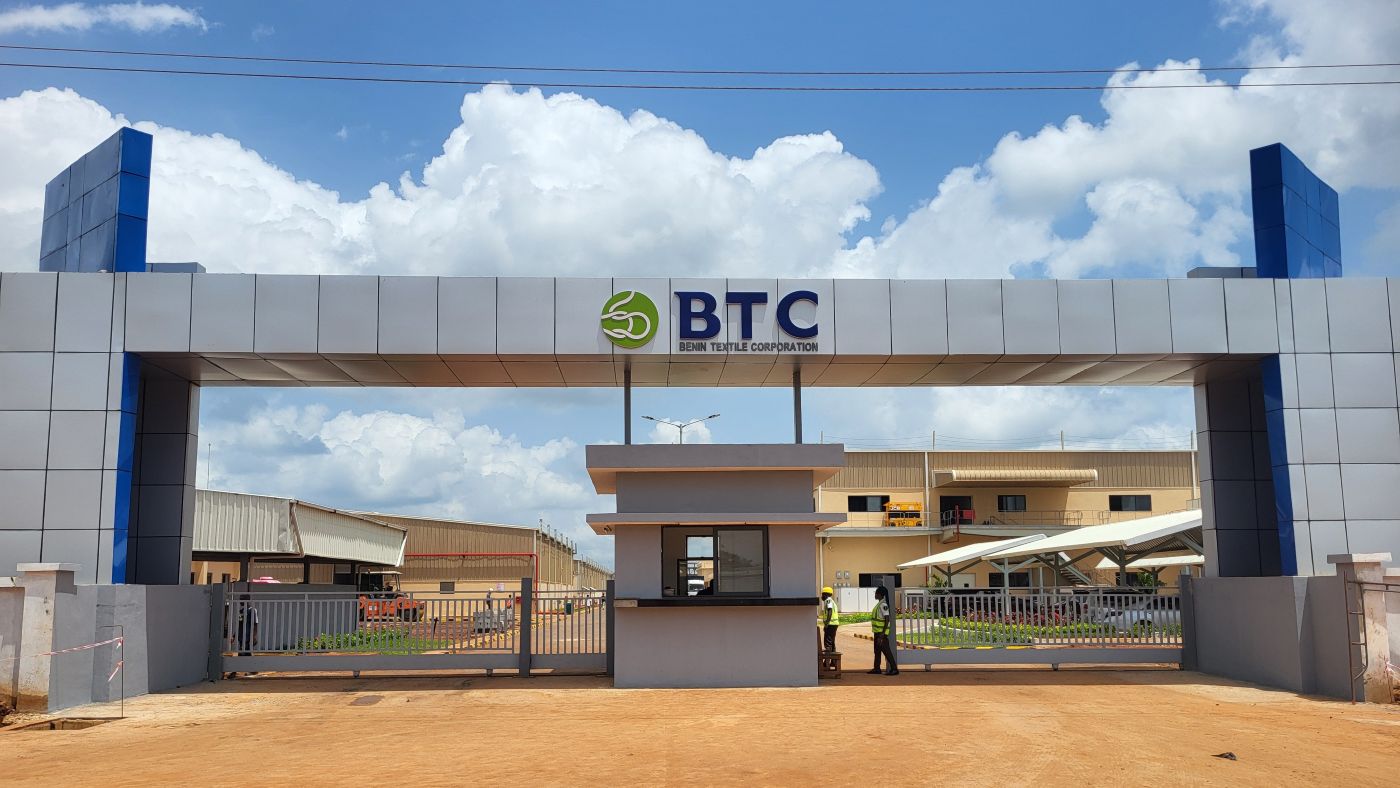
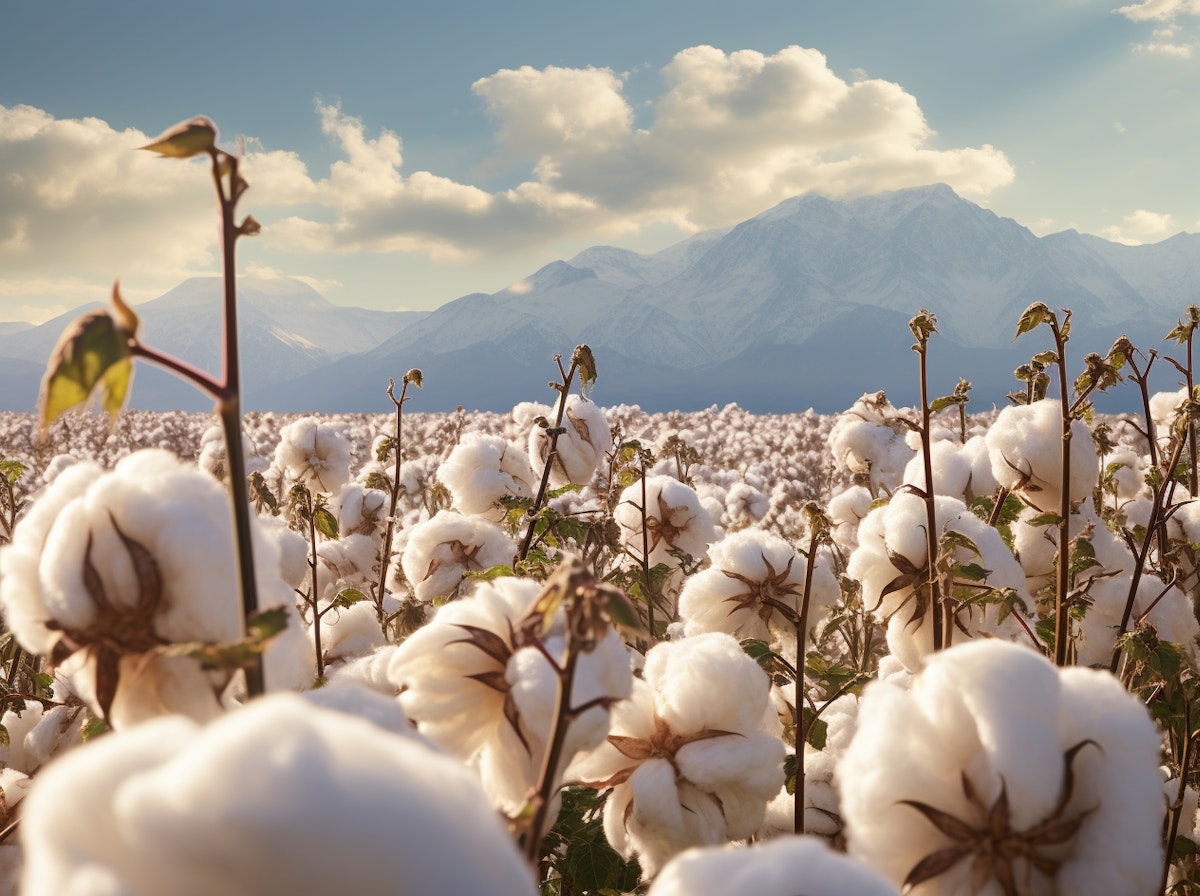
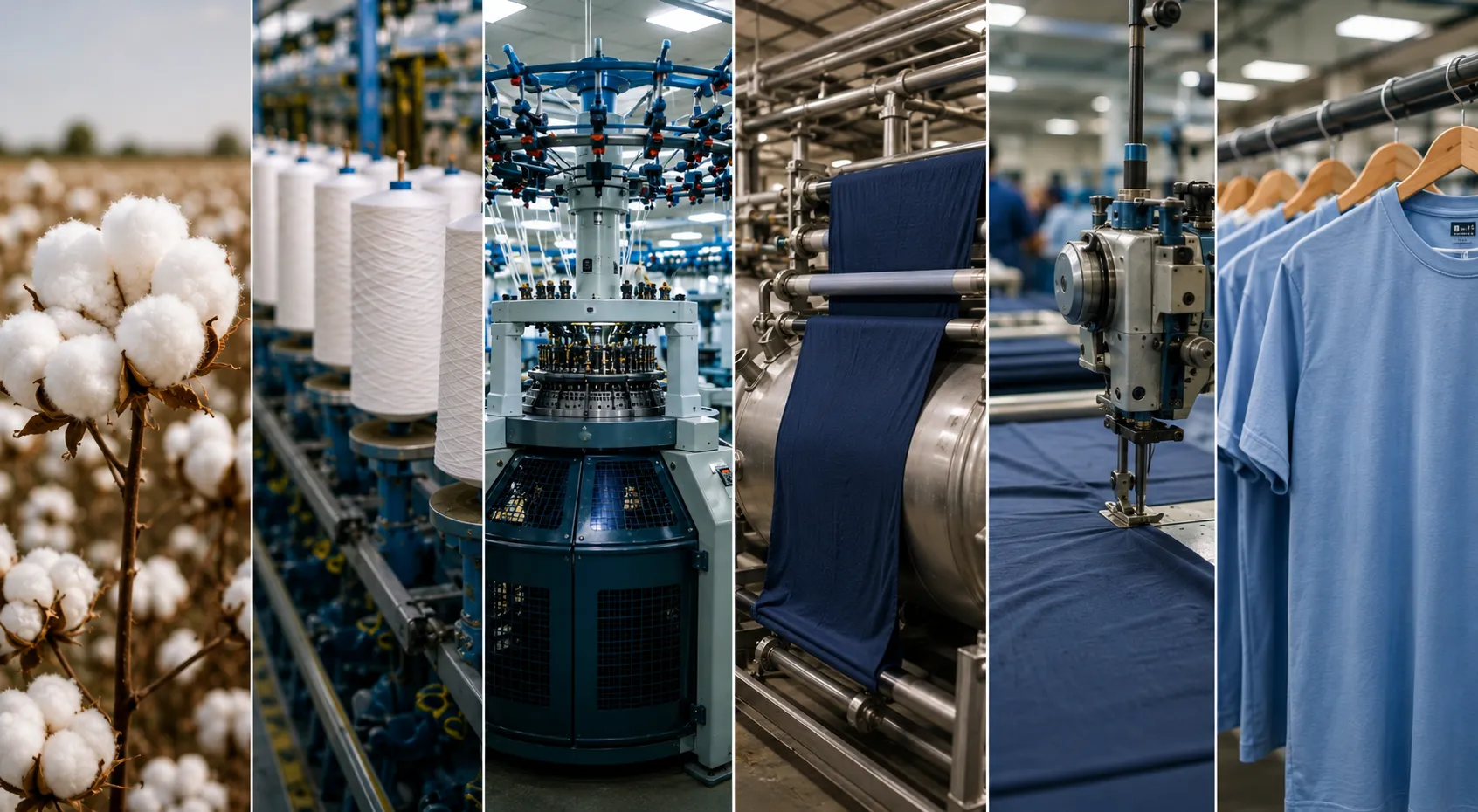
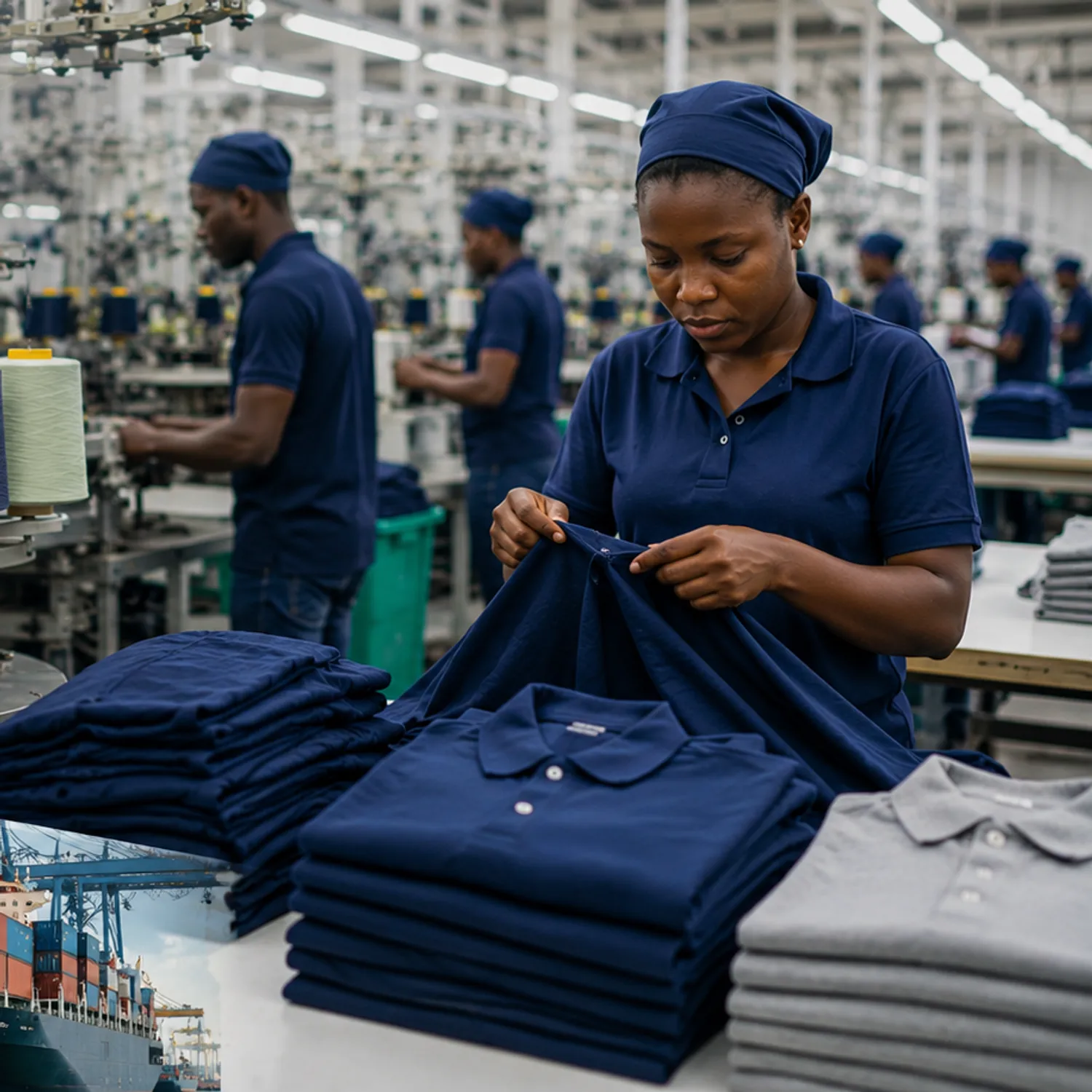
In knitted garment manufacturing, this model helps brands gain better control over quality, lead times, and sustainability. At Benin Textile Corporation (BTC), we manage every stage of production locally in Benin, from cotton to finished garments.
Vertical integration means handling all production stages within one company instead of relying on different external suppliers.
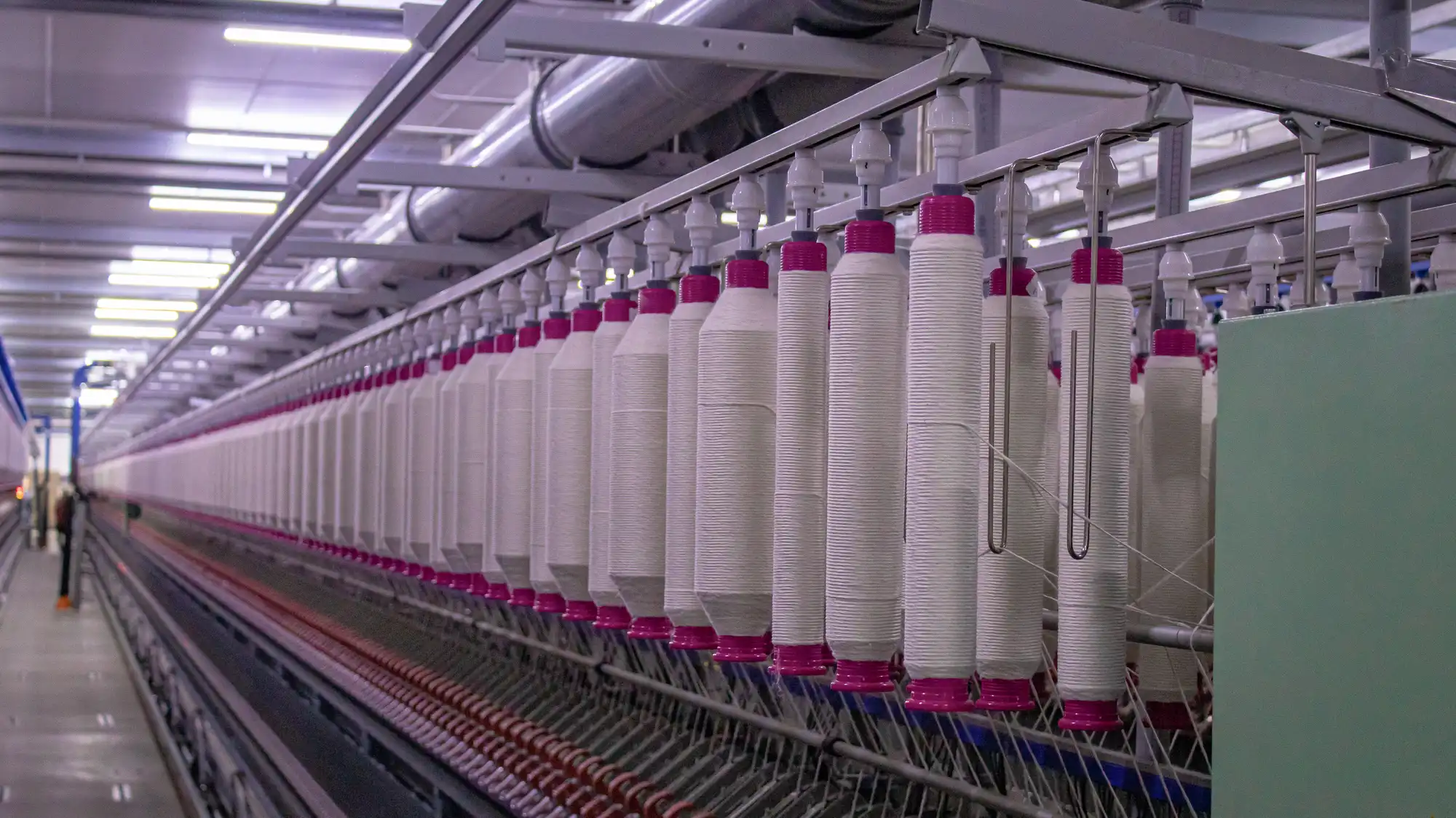
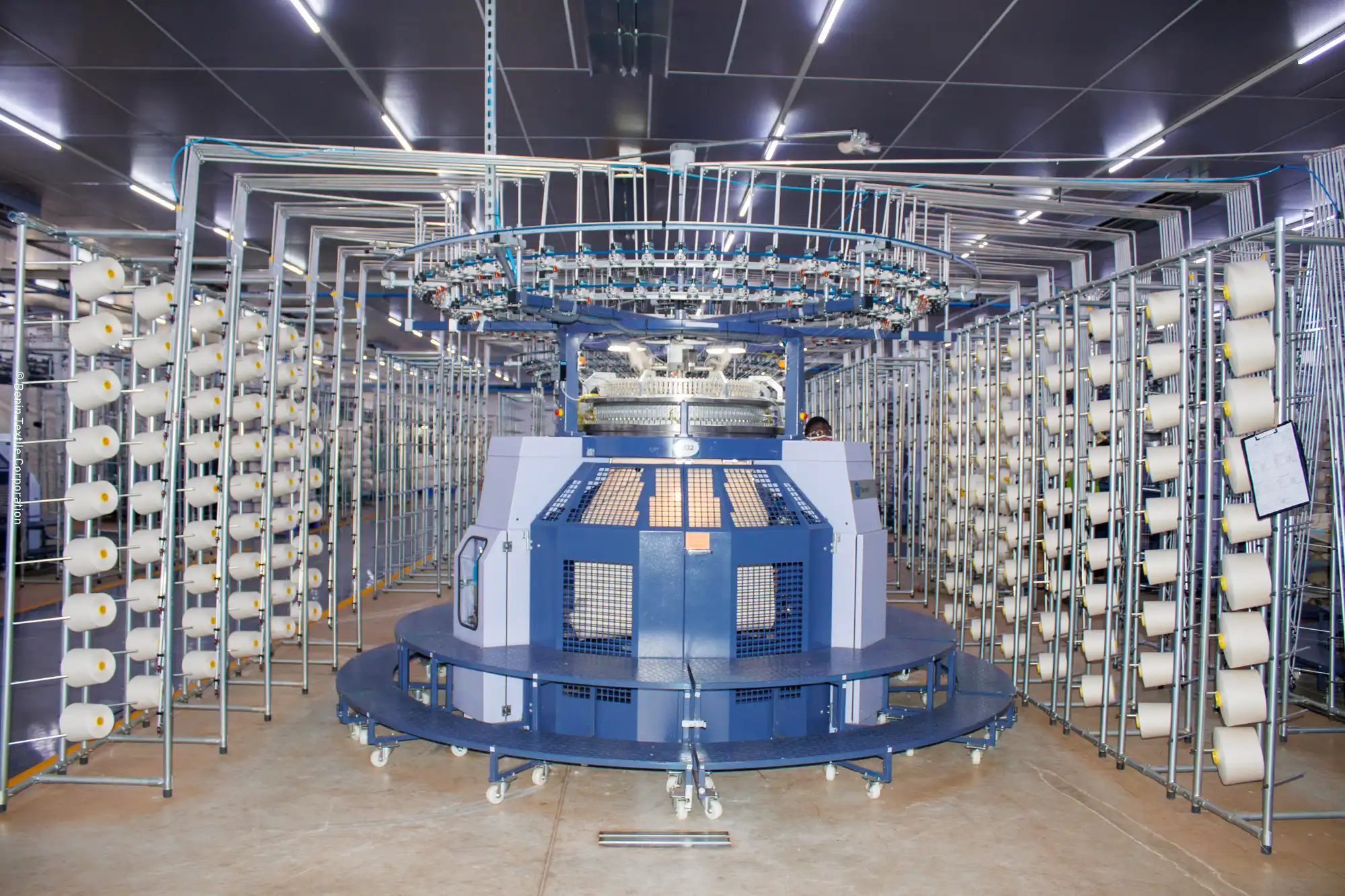
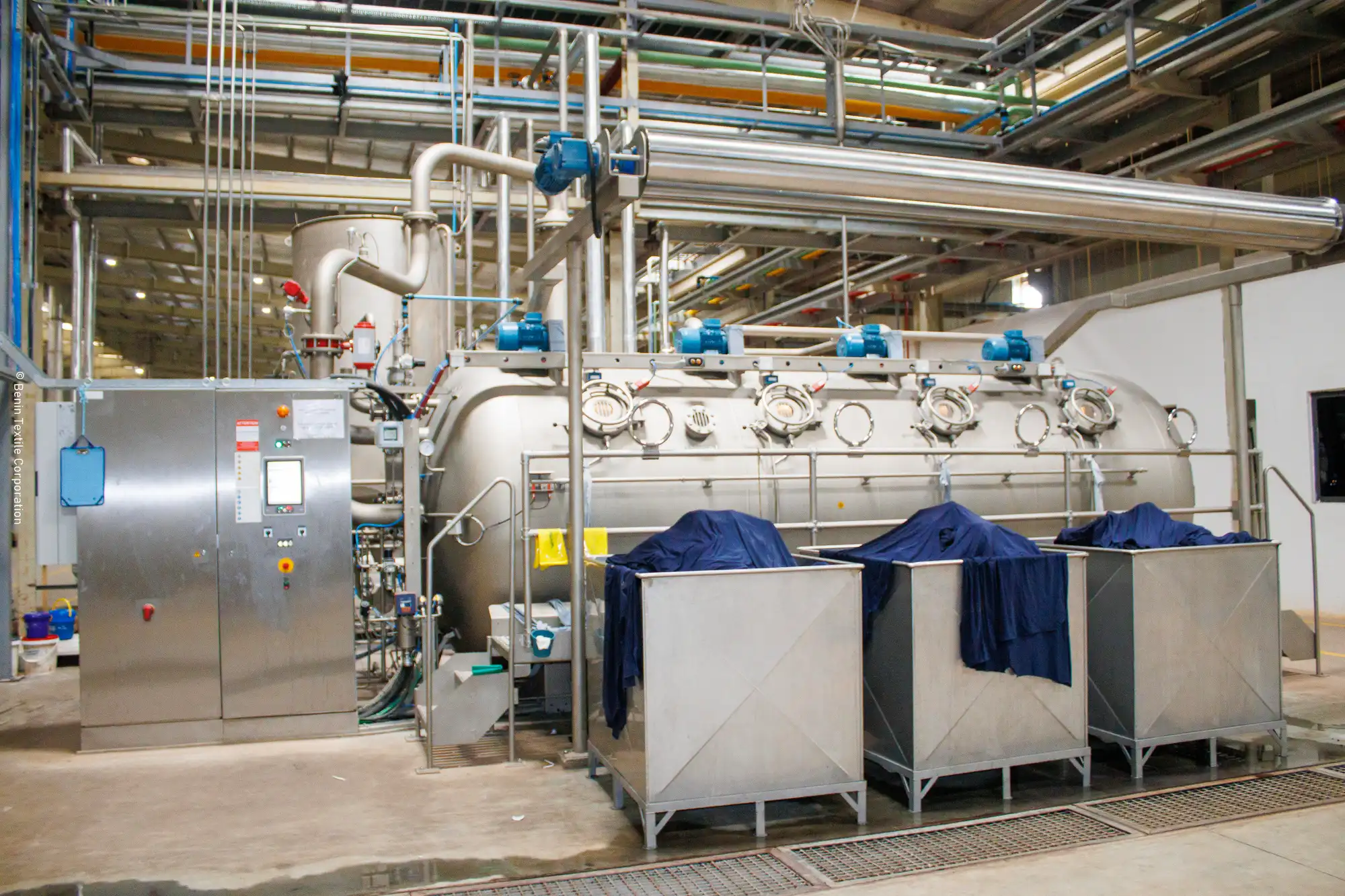
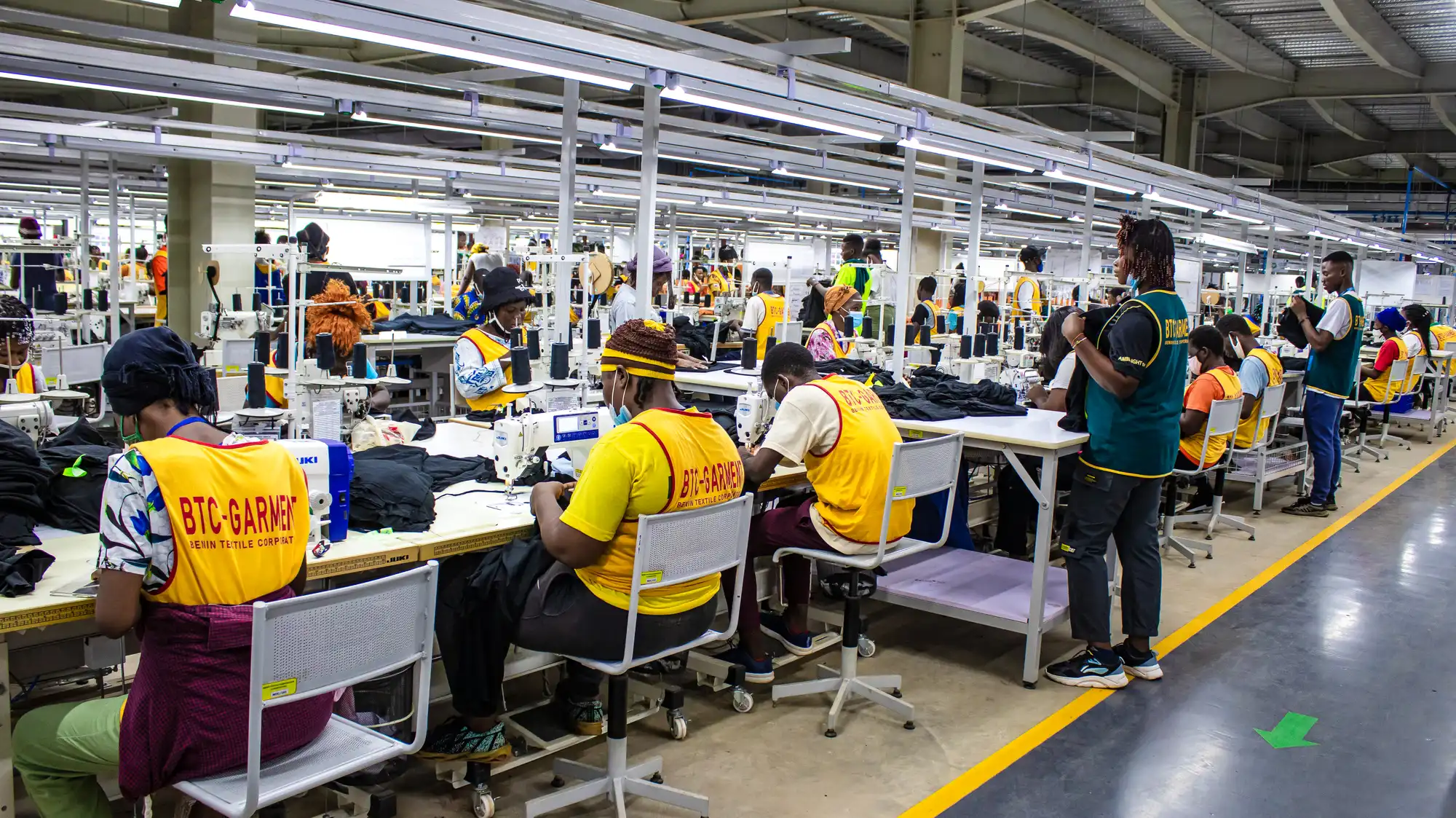
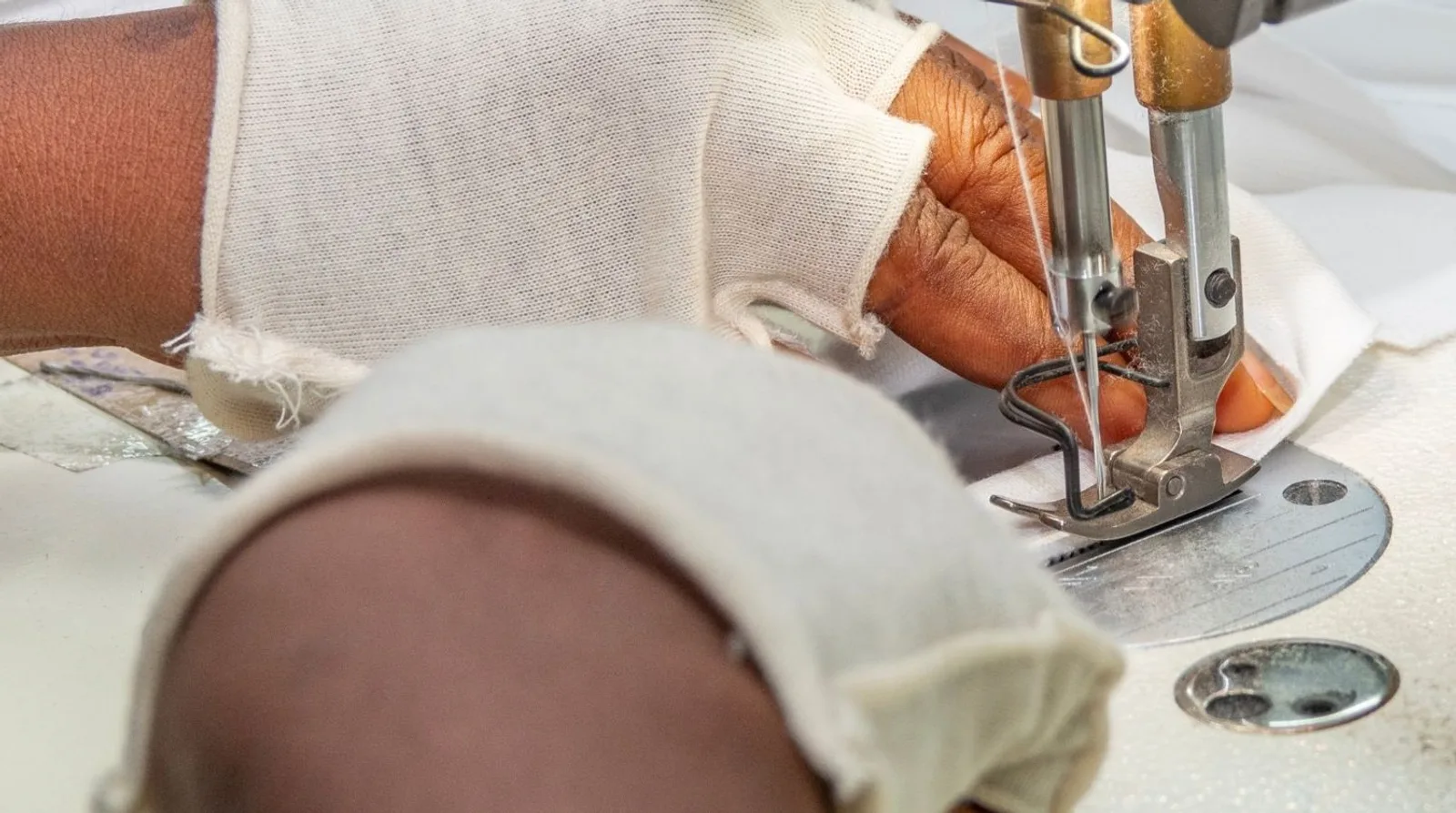
For knitted garments, this includes: spinning, knitting, dyeing, finishing, cutting, sewing and quality control.
Because every step is connected, production becomes faster, more consistent, and easier to monitor.
At BTC, our integrated setup allows us to maintain strict quality standards while responding quickly to customer needs.
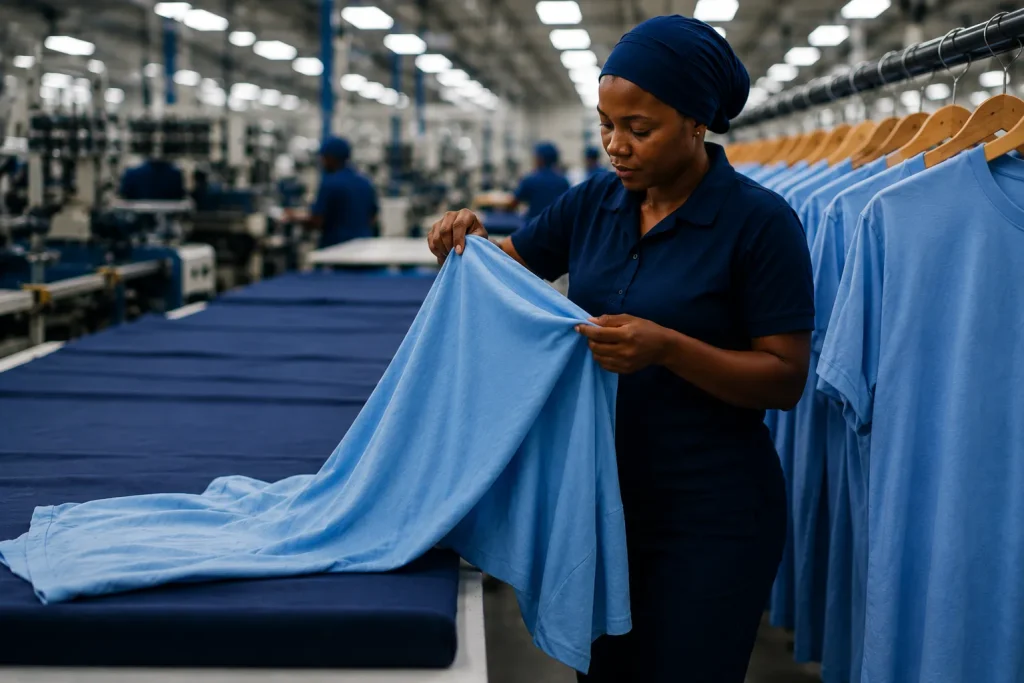
For fashion brands, speed and reliability are critical. Vertical integration helps reduce lead times because fabrics and garments move directly from one production stage to another without external delays.
Quality control also improves significantly. By managing spinning, knitting, dyeing, and garment assembly internally, we ensure better consistency in fabric quality, colors, and finishing.
Transparency is another major advantage. Brands increasingly want clear visibility into how and where products are made. Our integrated production model offers full traceability within a single manufacturing ecosystem in Africa.
Africa is becoming an important sourcing destination for knitwear manufacturing. Benin offers competitive production costs, growing industrial capabilities, and strategic access to European and American markets.
At BTC, we combine these regional advantages with vertically integrated production to provide reliable and efficient knitwear manufacturing solutions.
Local production also supports sustainability goals by reducing transportation needs and creating skilled jobs within the region.
Vertical integration can significantly reduce environmental impact in apparel manufacturing.
Because dyeing and finishing are managed internally, manufacturers can better control water usage, chemical management, and production waste. Centralized operations also reduce transportation between suppliers, helping lower the overall carbon footprint.
At BTC, we continuously work to improve efficiency across our production process while supporting responsible manufacturing practices.
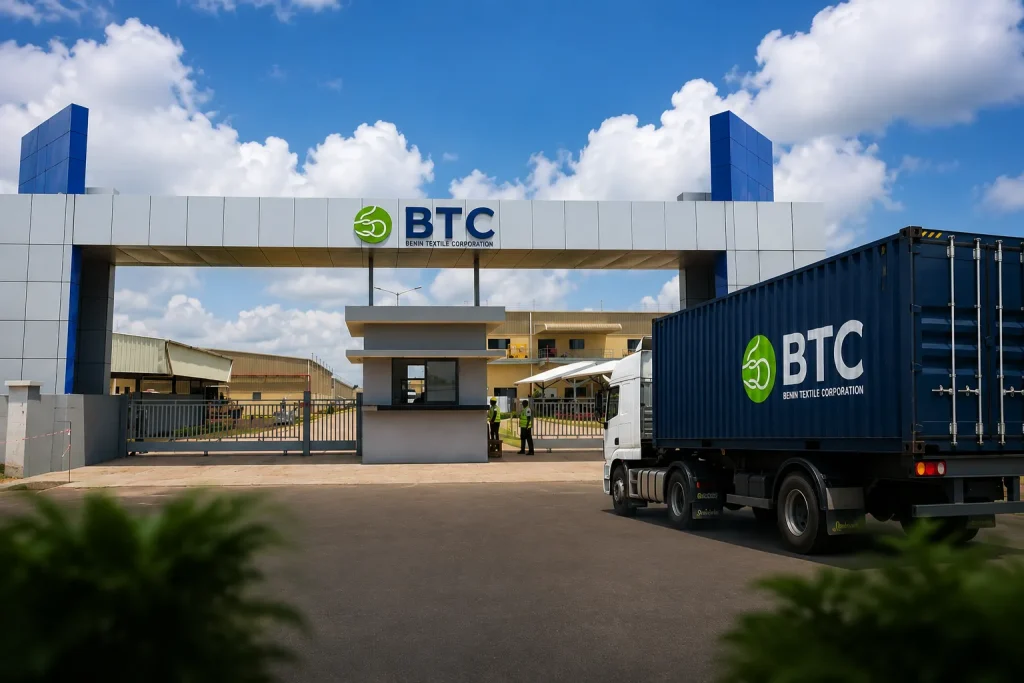
At BTC, we combine vertical integration, knitwear expertise, and African manufacturing advantages in one solution.
Our customers benefit from:
As the apparel industry evolves, vertically integrated manufacturing is becoming essential for brands looking for speed, transparency, and long-term sourcing stability.
Curated for You
Contact Us

 Fr
Fr