Products
Crafted for Quality and Sustainability



Products
Crafted for Quality and Sustainability
Capabilities
From Farm To Fashion
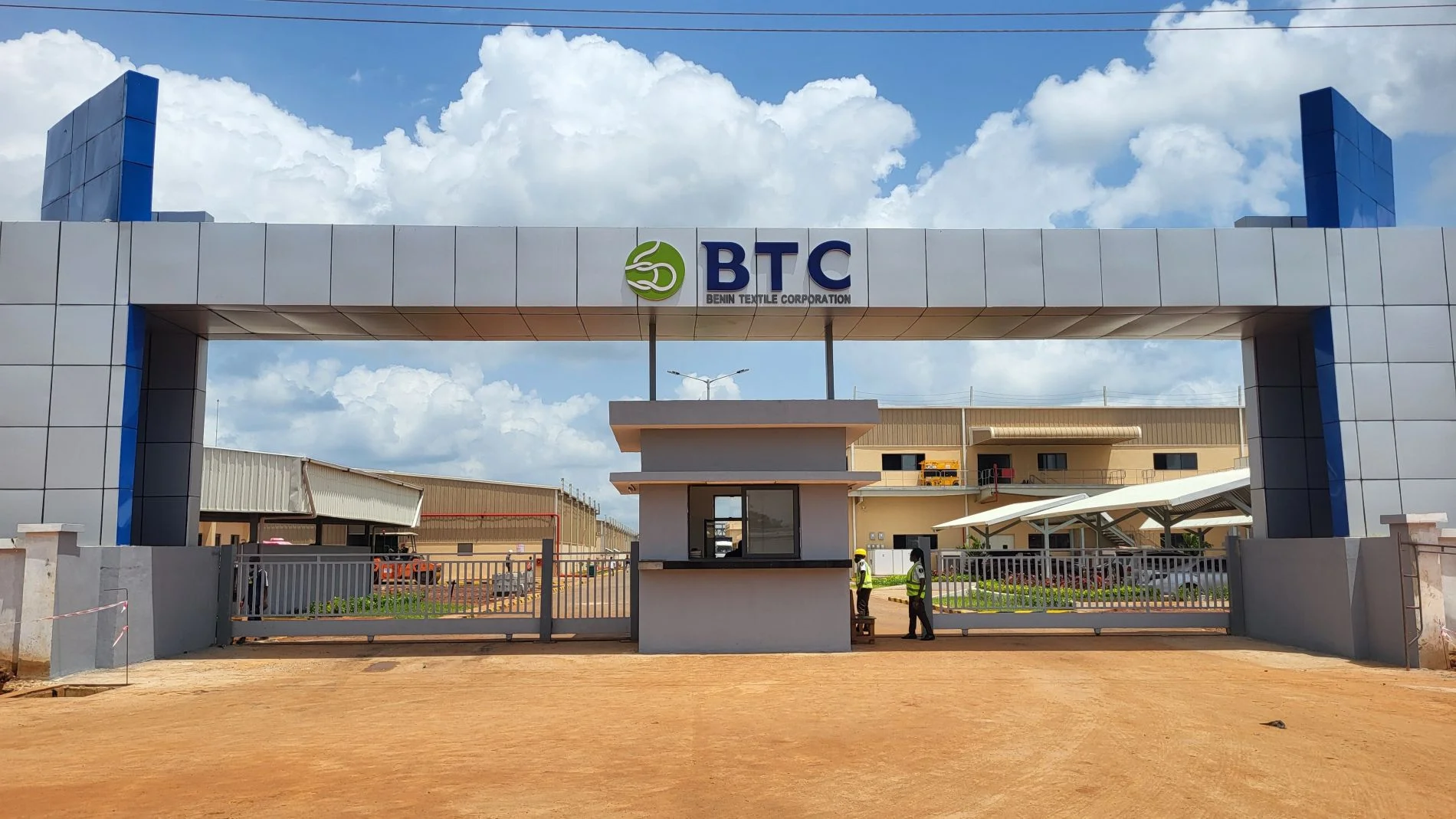
Why Brands Choose BTC
Driven by Value, Powered by Excellence

Vertical Integration
End-To-End Textile Manufacturing Solutions

Sustainability
Eco-Innovation At Every Stage
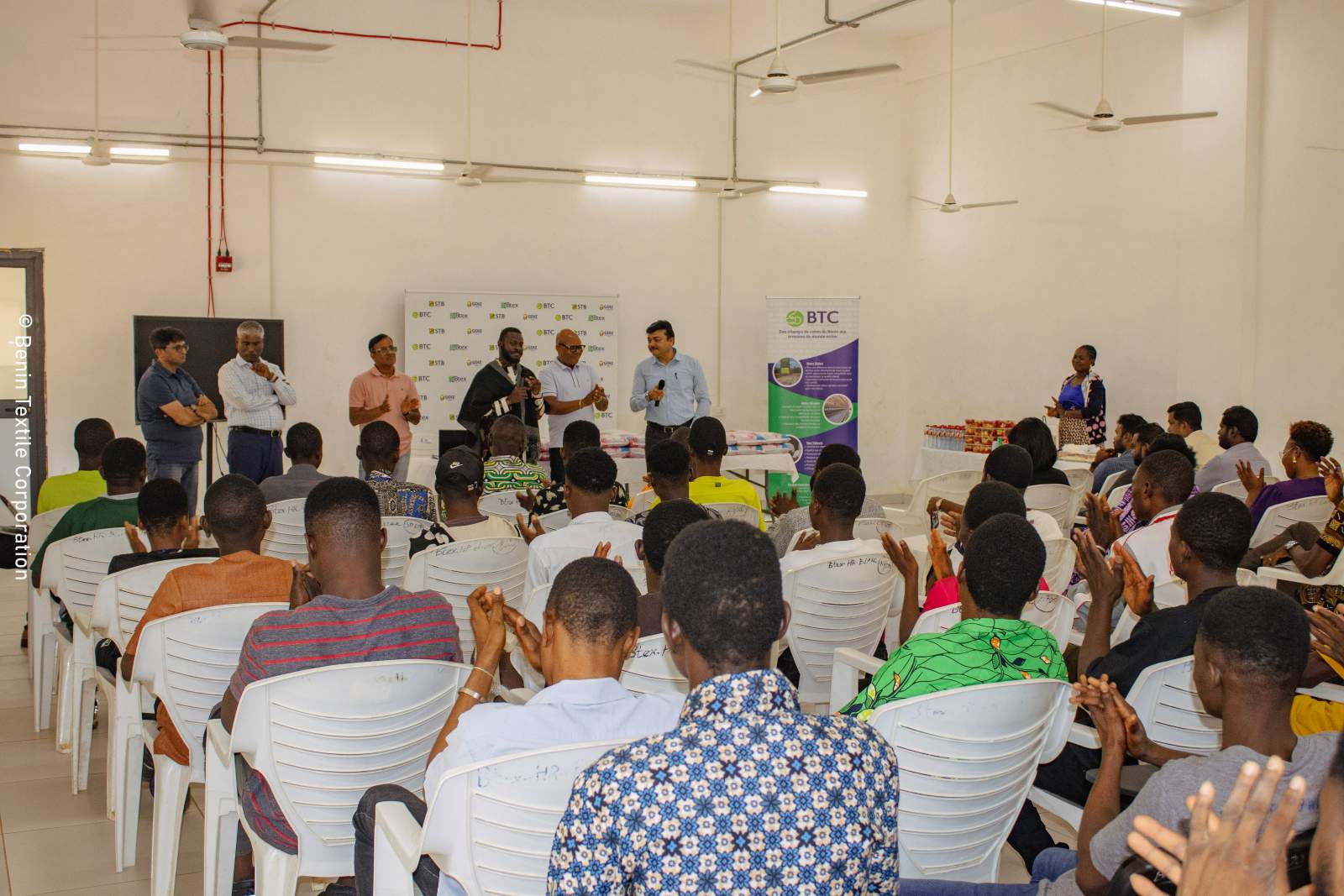
News & Blogs
Explore Latest Fashion & Textile Industry Insights
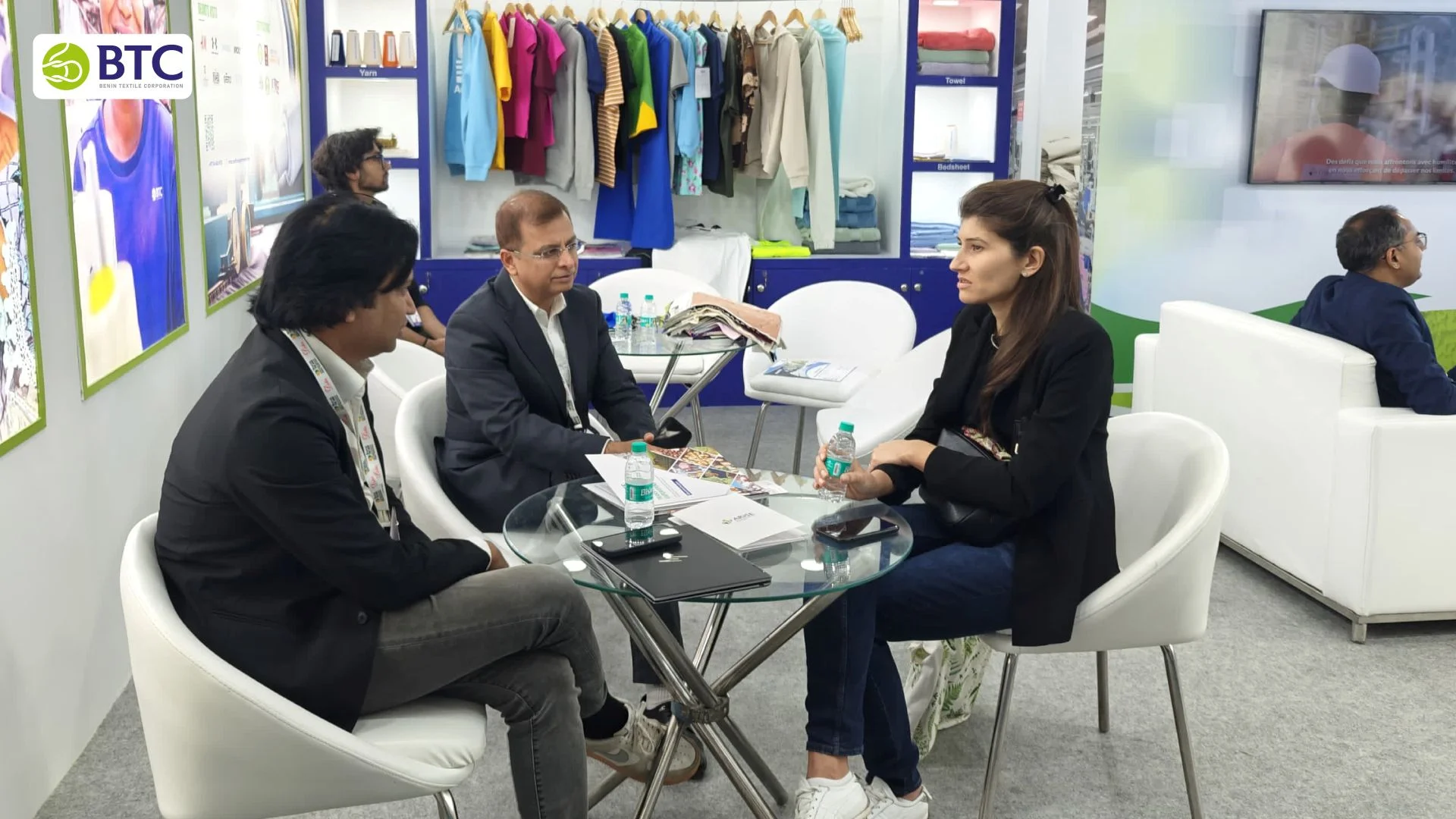
Events & Engagements
Experience Leading Fashion & Textile Events & Trade Shows
About Us
Knitting the Future with African Cotton
Contact Us
We’d Love to Hear From You



Copyright© 2026, Benin Textile Corporation
Blogs



Summary
African textile mills like BTC are making knitwear manufacturing more sustainable through vertically integrated production. By managing the entire process in-house, BTC delivers faster lead times, consistent quality, greater supply chain transparency, and more efficient, responsible manufacturing for global apparel brands.
Table of contents
Sustainability is becoming a major priority in the apparel industry. Global brands are looking for manufacturing partners that can offer transparency, efficiency, and responsible production without compromising quality.
In knitwear manufacturing, African textile mills are emerging as strong alternatives to traditional sourcing regions. Through vertically integrated operations and local production expertise, companies like Benin Textile Corporation (BTC) are helping redefine how knitted garments are produced for international markets.
According to McKinsey & Company, sustainability and supply chain resilience are now among the biggest priorities for fashion brands worldwide.
African textile manufacturing has grown rapidly in recent years as brands diversify their sourcing strategies.
Countries like Benin offer several advantages:
For knitted garments such as T-shirts, polos, and activewear, shorter shipping routes can help reduce lead times and transportation emissions.
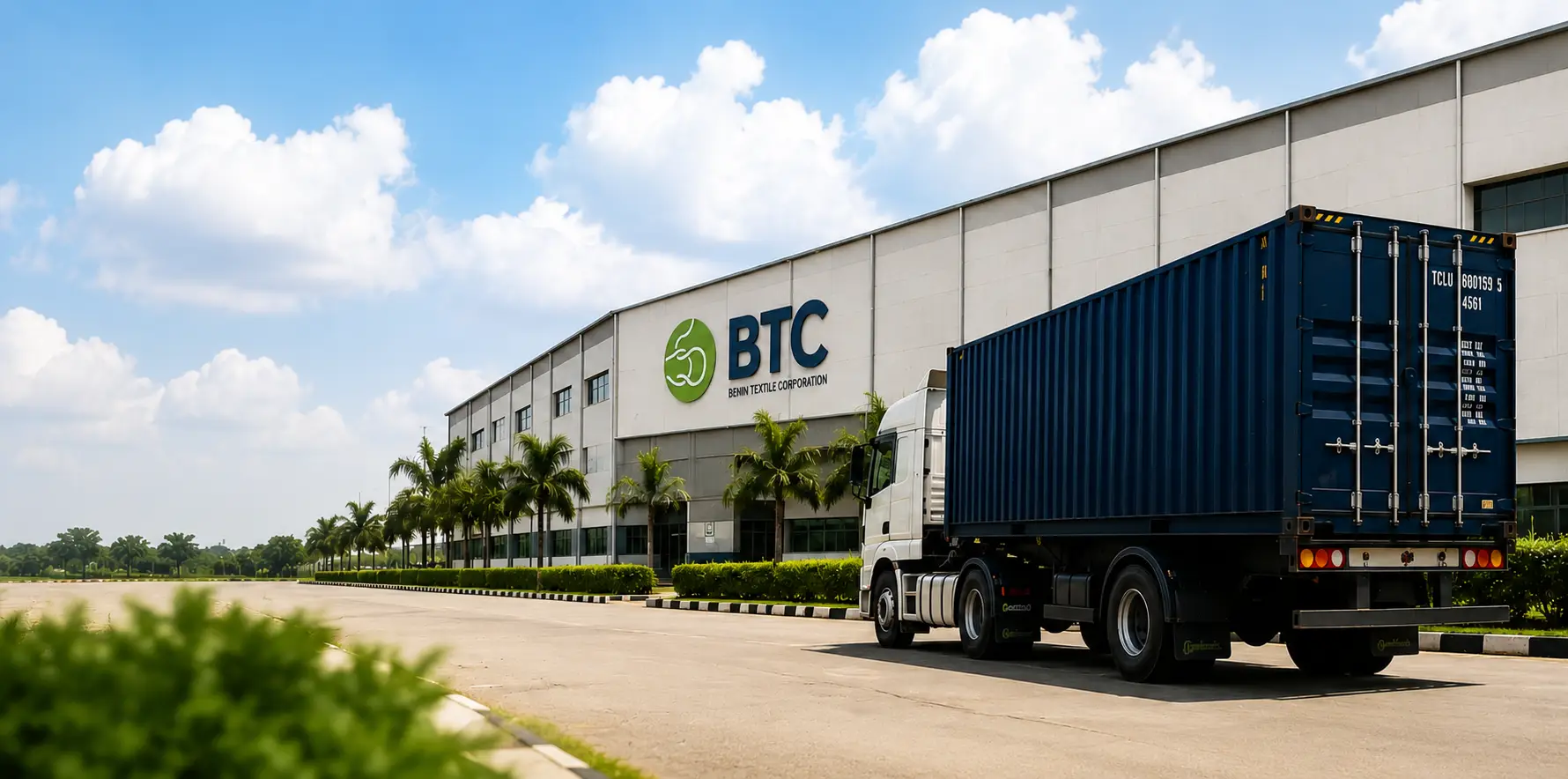
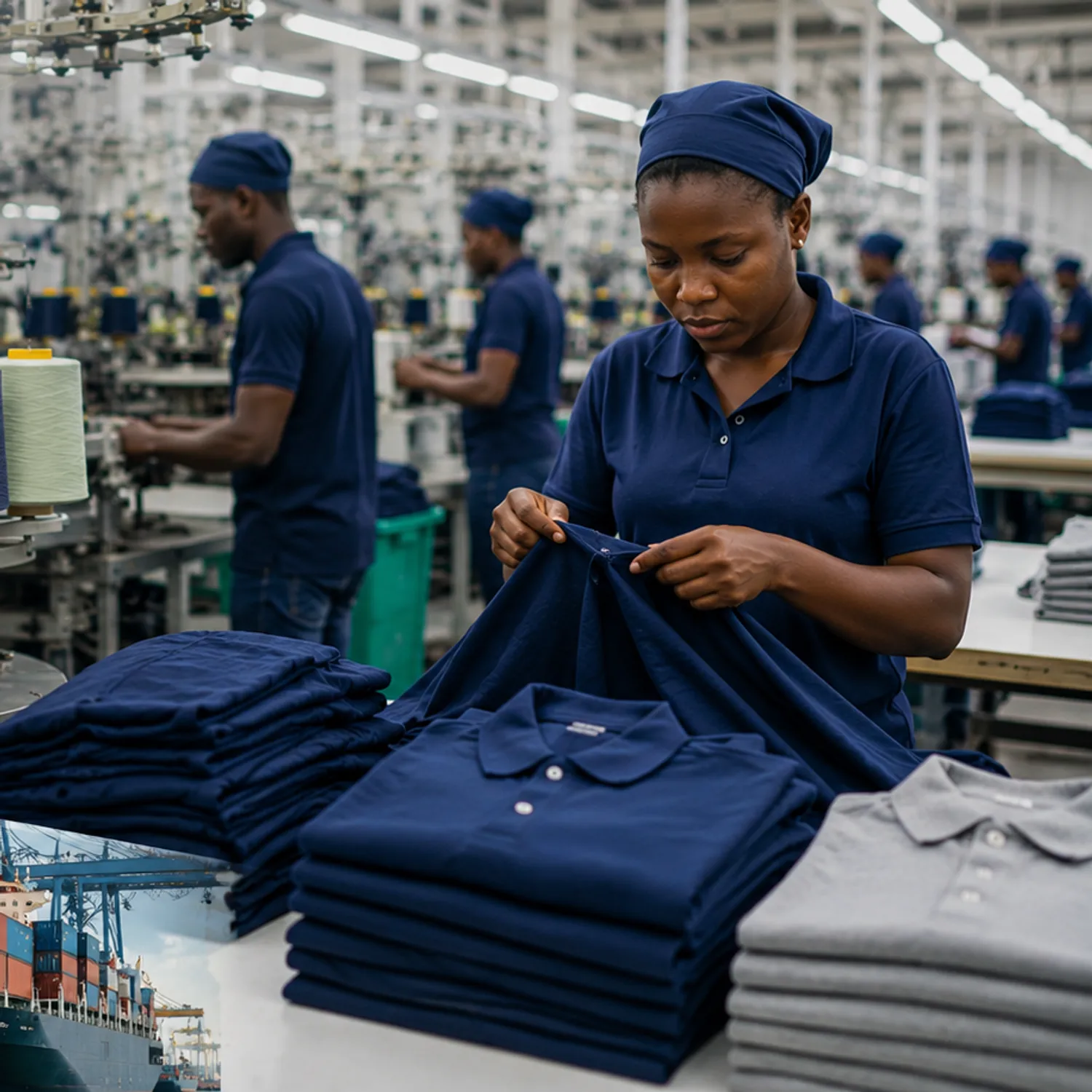
At BTC, we produce knitted garments entirely in Benin through a vertically integrated manufacturing model. This allows us to maintain quality control while improving production efficiency and transparency.
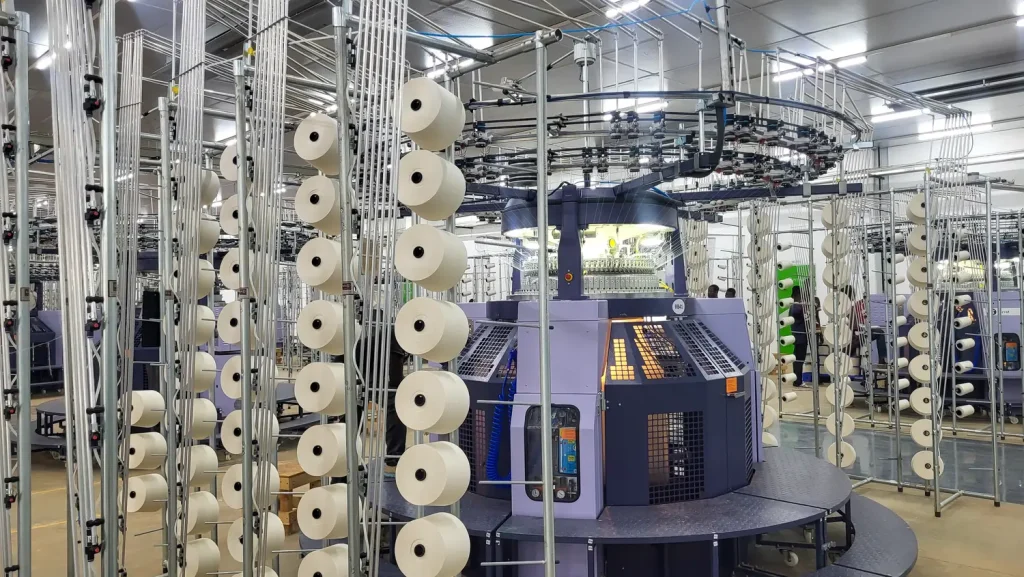
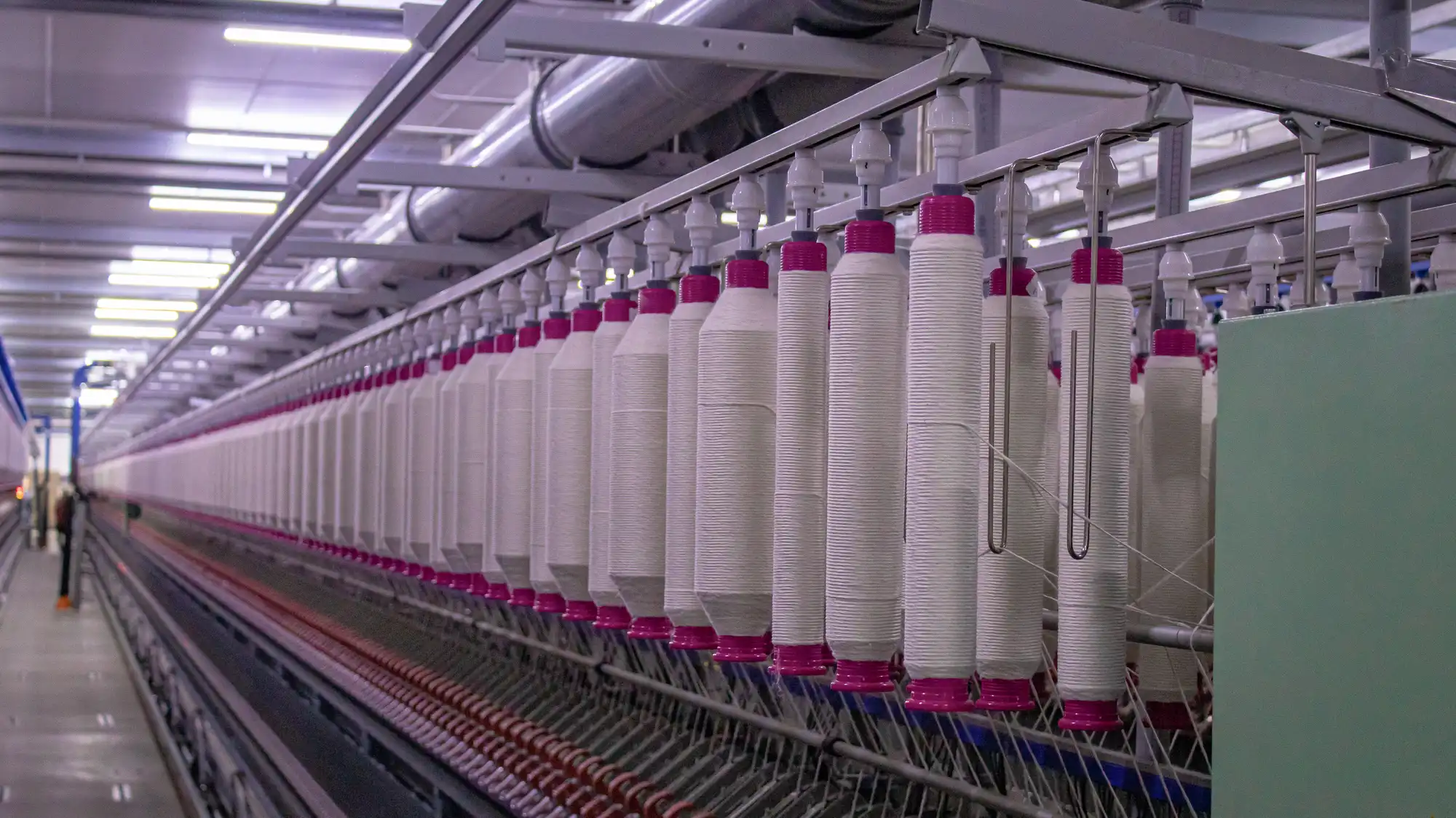
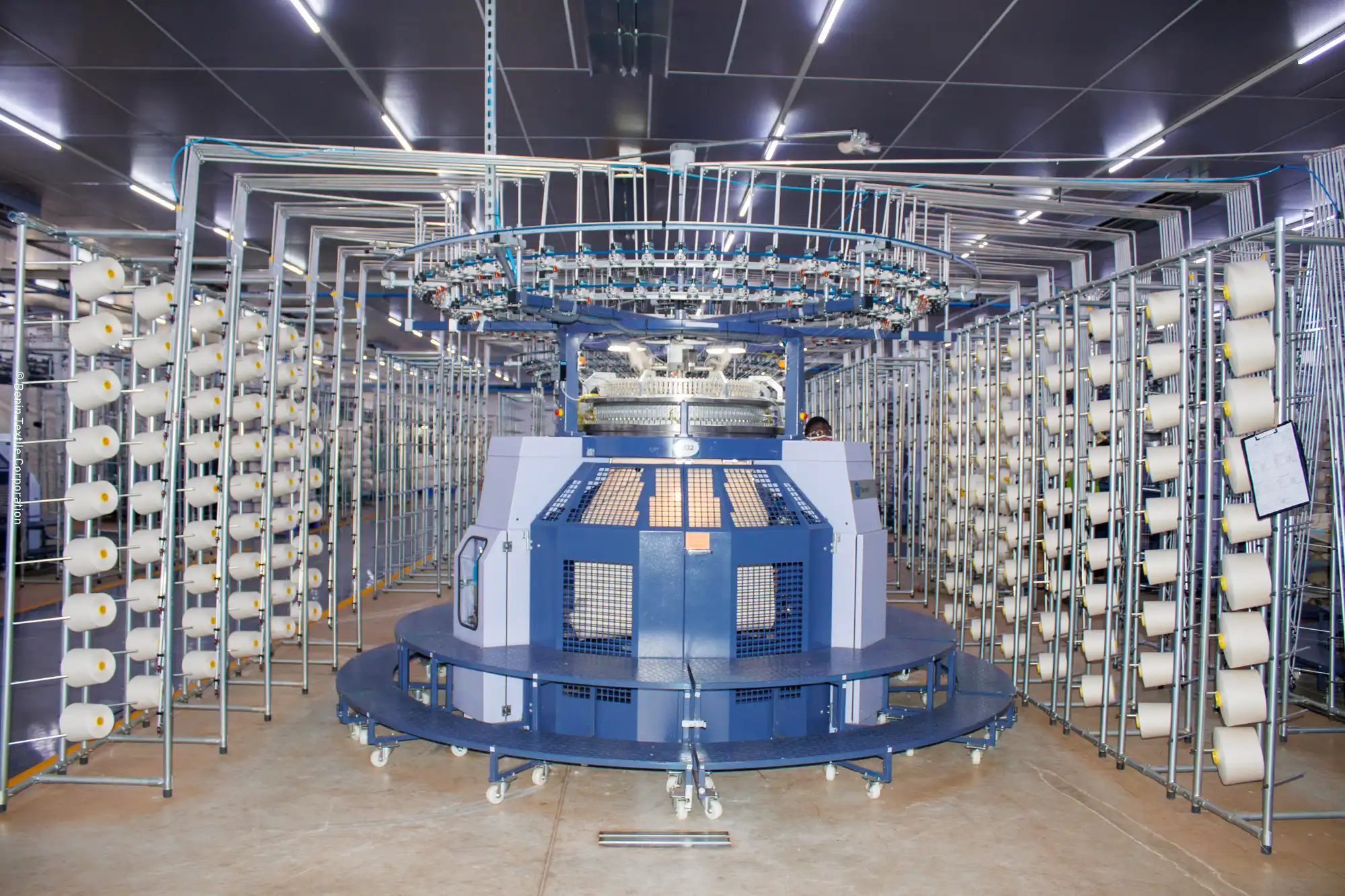
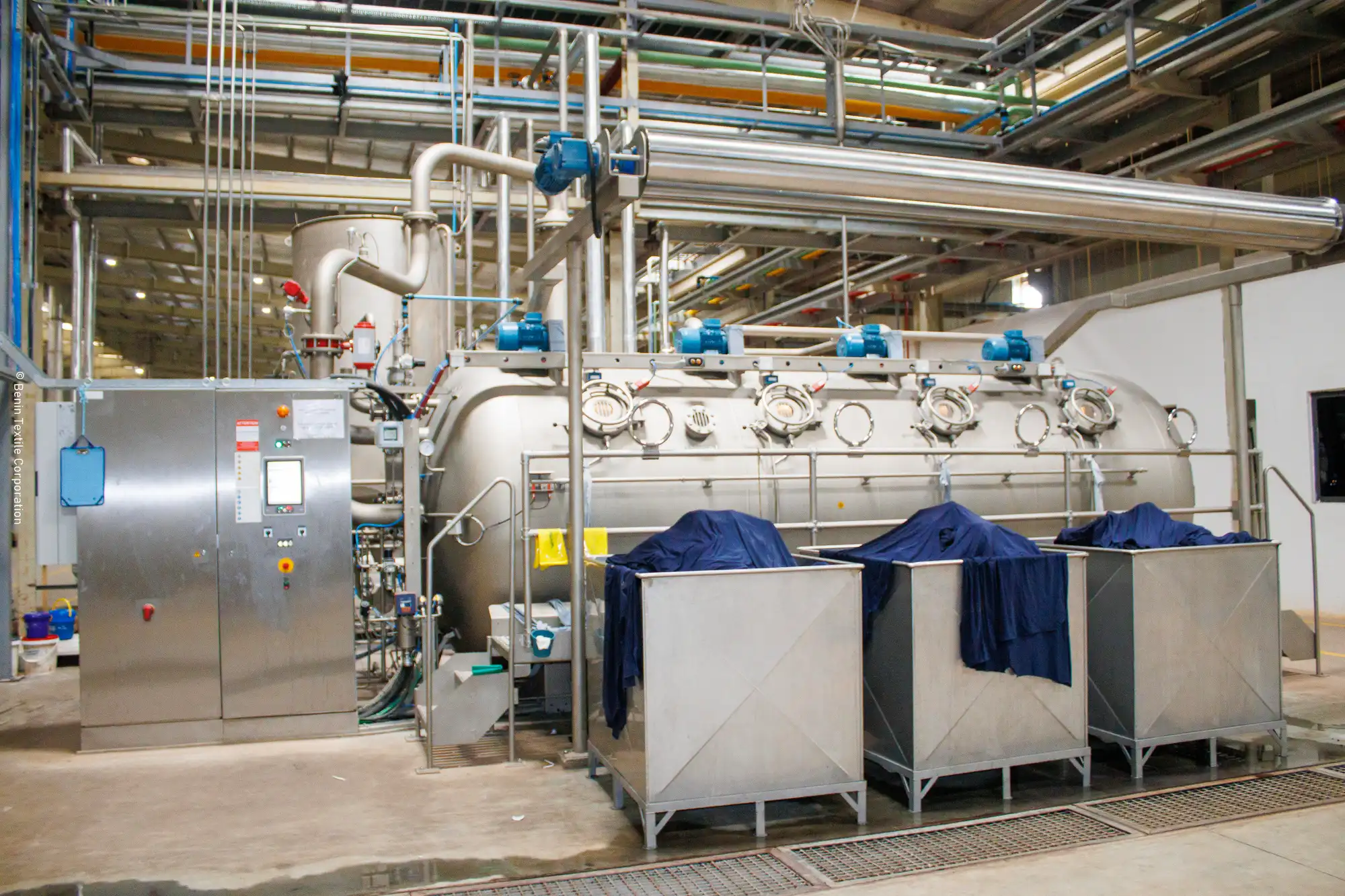
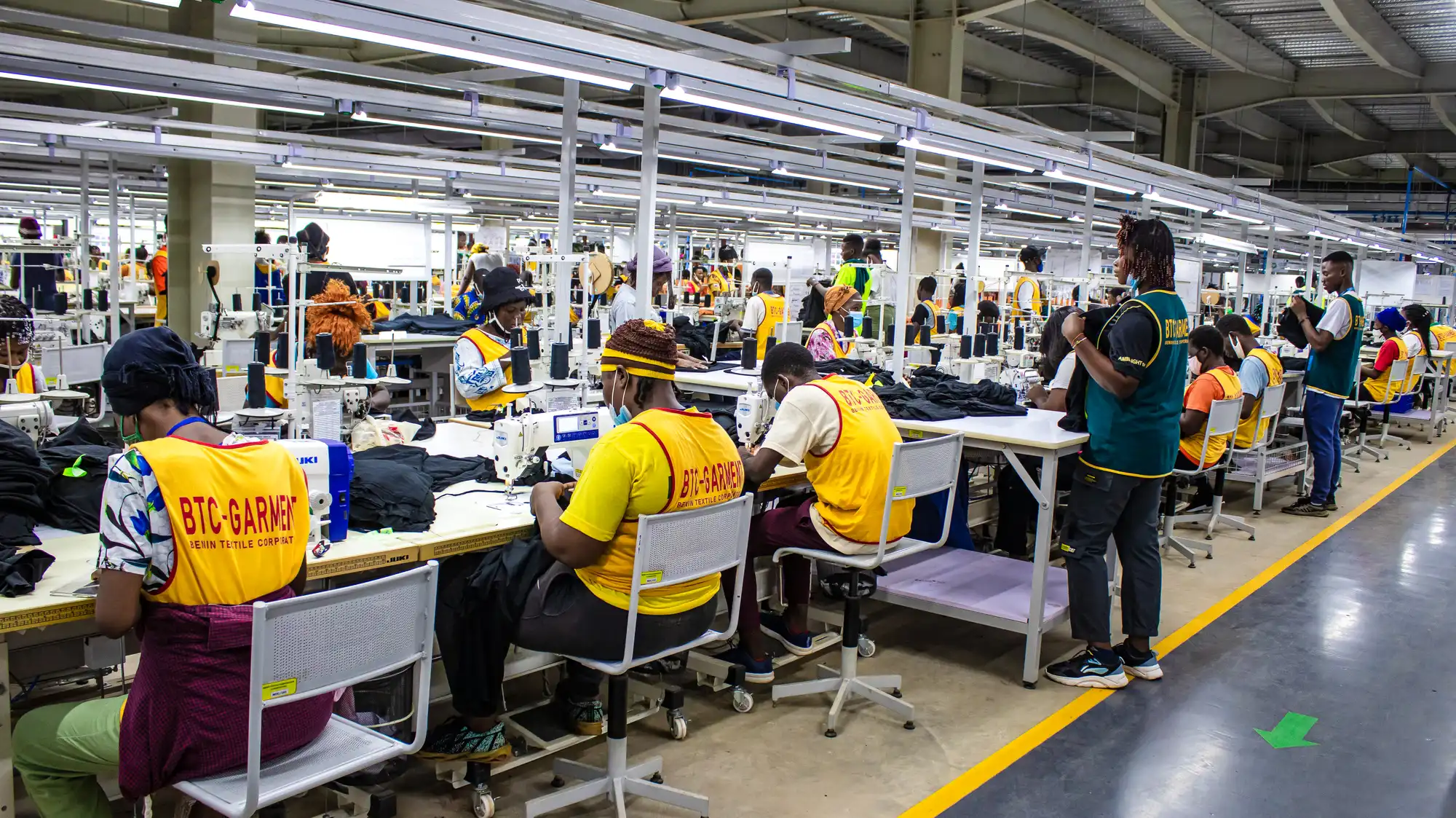
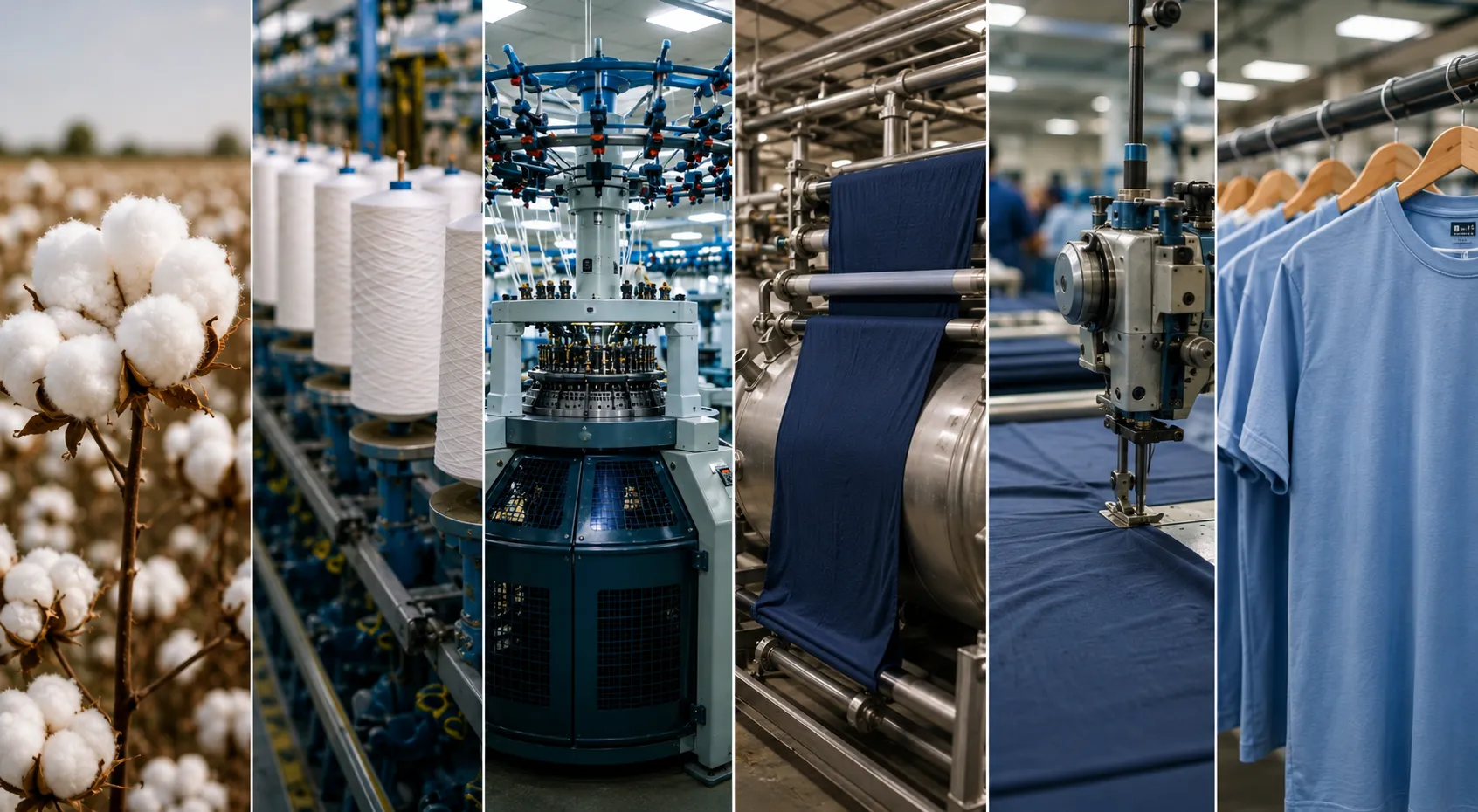
Vertical integration is transforming apparel manufacturing by bringing multiple production stages (spinning, knitting, dyeing and finishing, garment manufacturing ) into one facility.
Managing production internally reduces delays, improves coordination, and provides better visibility across the supply chain.
This approach also supports traceability, which has become increasingly important for global brands. Organizations such as Textile Exchange continue to highlight the importance of responsible sourcing and transparent textile production.
For knitwear manufacturing, integration is especially valuable because fabric consistency and finishing directly impact garment quality.
Sustainable apparel manufacturing depends not only on materials, but also on production efficiency.
At BTC, we continuously work to optimize water and energy usage throughout dyeing and finishing processes. Centralized production also helps reduce transportation between suppliers, lowering overall emissions.
Material efficiency is another key benefit. By aligning knitting, cutting, and sewing operations, manufacturers can reduce fabric waste and improve resource management.
The broader fashion industry is also moving in this direction. The Ellen MacArthur Foundation emphasizes the need for circular and resource-efficient textile systems to reduce environmental impact.
Recent global disruptions have shown the importance of flexible and diversified supply chains.
African manufacturing offers brands an opportunity to reduce dependence on a single sourcing region while improving responsiveness and production visibility.
With vertically integrated operations, BTC provides greater oversight throughout the manufacturing process, helping brands meet quality, compliance, and sustainability expectations more effectively.
At BTC, we combine knitwear expertise, vertically integrated production, and African manufacturing advantages in one streamlined solution.
Our customers benefit from:
As sustainability becomes central to the future of fashion, African textile mills are playing an increasingly important role in the global apparel industry. Through integration, efficiency, and responsible manufacturing practices, companies like BTC are helping shape a more sustainable supply chain for knitted garments worldwide.
Curated for You
Contact Us

 Fr
Fr